
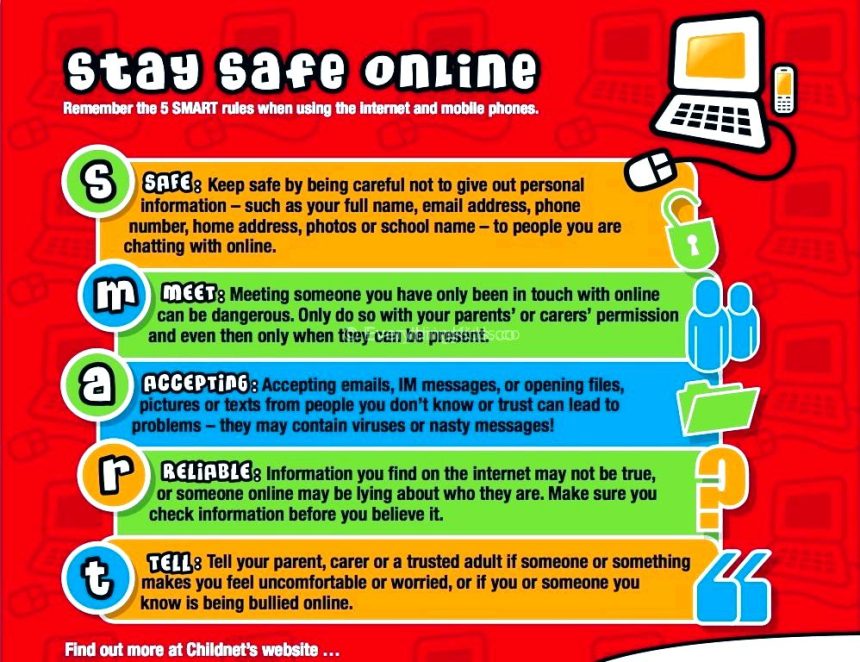
1. Internet Privacy Protection Laws
The advancement of technology and widespread use of the internet have led to the emergence of secure communication laws on the web, aimed at protecting the privacy and rights of users. Internet privacy protection laws address the way websites and applications handle user information, thereby providing a motive for safeguarding their privacy and personal information.
According to internet privacy protection laws, websites and applications are required to adhere to their privacy policies, clearly explain to users what personal data is collected and how it is utilized. Furthermore, these laws demand that websites protect the collected information and refrain from sharing it with unauthorized third parties.
The importance of privacy protection principles is particularly significant in the digital age, where personal data is stored and processed automatically by computer systems and algorithms. Therefore, it is crucial for users to be aware of their rights and how their personal information is stored and maintained on the web.
At the conclusion, internet privacy protection laws serve as a vital tool for safeguarding our privacy and personal information in the digital environment. Every user should be conscious of their rights and the impact they have and ensure that their online actions comply with the laws and guidelines for internet privacy protection.
Using security tools such as antivirus software and additional protection tools is advisable.
Abigail Shahar – Computer Security Specialist
In summary, internet privacy protection laws are crucial for protecting our privacy and personal information in the digital setting. Every user needs to be aware of their rights and the influence thereof, ensuring that their online actions align with internet privacy protection laws and guidelines.

2. Personal Data Management Laws on the Internet
In the developing digital age, the importance of information safety and privacy on the internet is paramount. Personal data management laws are an integral part of the efforts to safeguard user privacy and ensure secure communication on the web.
In Israel, the Privacy Protection Law and the Data Protection Law from 1981 form the basis for managing personal data on the web. These laws protect the privacy of citizens and limit the use of personal data for legitimate and balanced purposes.
To ensure the protection of personal data on the web, organizations and businesses are mandated to allocate resources and operate in accordance with privacy protection regulations. This includes actions to prevent unauthorized access to personal data, protect against security breaches, and encrypt data to ensure it does not fall into unauthorized hands.
Additionally, it is crucial to differentiate between personal data and non-personal data. When it comes to personal data, one must consider the laws and guidelines regarding their management and storage on the web. For example, the obligation to report breaches to the information system and take actions to preserve data securely and encrypted.
In conclusion, personal data management laws on the internet are an integral part of efforts to safeguard information safety and privacy on the web. It is now well-known that personal insight is required during the submission process to the appropriate Command Board or Command Committee, Jonathan Gilon.
Prefer secure connections over open networks can reduce risks.
Itay Cohen – Network Security Specialist
3. Regulated Communication Laws on the Web
Regulated communication laws on the web are a crucial part of the laws that oversee and manage activities on the web. They are designed to protect users and ensure secure communication on the web. When it comes to web communication, it is important to understand the central laws that govern activities and restrict them to prevent harm and violations.
One of the key laws is the Privacy Protection Law, which limits the use of personal information collected on the web. According to the law, it is crucial to preserve the privacy of users and not disclose unwanted or unlawful information.
The Data Protection Law addresses how data stored on the web is protected from theft and unwanted use. The law imposes strict requirements for data security and prevention of security breaches.
The Secure Communication Law on the web is intended to protect users from attacks and threats on the web. The law restricts the use of personal information and sets strict requirements for data security and prevention of identity theft and cyber intrusions.
Additionally, it is essential to pay attention to local laws that pertain to web communication in the State of Israel and adhere to them through enforcement and compliance.
In summary, regulated communication laws on the web are an integral part of web activities and it is important to recognize and operate them correctly and securely to preserve the privacy and security of users.
4. Child Protection Laws on the Web
Child protection laws on the web are aimed at ensuring the safety of children and adolescents in the digital environment. With the advancement of technology and the internet, it is crucial to understand the laws and guidelines that ensure the protection of children on the web.

One of the most important laws is the Child Protection Law against harassment and sexual abuse through communication means, which aims to protect children from sexual offenses on the web. The law defines prohibited activities and penalties for violators.
Furthermore, the Child Protection Law on the web addresses other issues such as access to harmful materials, protection of children’s privacy, and restrictions on publishing their images and personal information on the web.
Cautiousness and transparency are key to secure communication on the web.
Miriam Cohen – Internet Safety Specialist
It is important to understand that child protection laws on the web are critical to safeguarding the safety and privacy of children and adolescents in the modern digital age. To ensure their rights, we must be familiar with the laws and uphold their compliance.
5. Incitement and Defamation Laws on the Web
Incitement and defamation laws on the web are an important part of the institutional regulations of the internet. According to the laws, it is forbidden to publish content containing incitement or instigation to violence and hatred. It is important to remember that publishing such content may lead to legal proceedings and punishments of various kinds.
Anyone who damages the dignity of another, publishes offensive content, or incites to violence may be punished under the law. Therefore, it is important to refrain from publishing content that may harm others and to report any concerns to the site team immediately.
Additionally, it is essential to remember that publishing intimate images of a person without consent is against the law and may cause severe damage to their dignity and privacy. If you encounter such content on the web, you should report it to the site team immediately.
In conclusion, it is important to exercise caution and transparency in your online actions and refrain from publishing any content that may harm others or yourself. This way, you can maintain safety and security on the web.