1. Scheduling a Meeting with a Friend or Close One
Scheduling a meeting with a friend or close one in a public place like a restaurant, bar, or cafe can be a pleasant and enjoyable experience. However, it’s important to remember that even in such places there are risks and dangerous signs that are important to recognize and be aware of.
Before scheduling the meeting, it’s important to ensure that you know the friend or close one well and that you have clear and agreed-upon intentions and objectives for the meeting. Scheduling a meeting in a public place may reduce the risk, but it’s still important to be cautious and pay attention to dangerous signs.
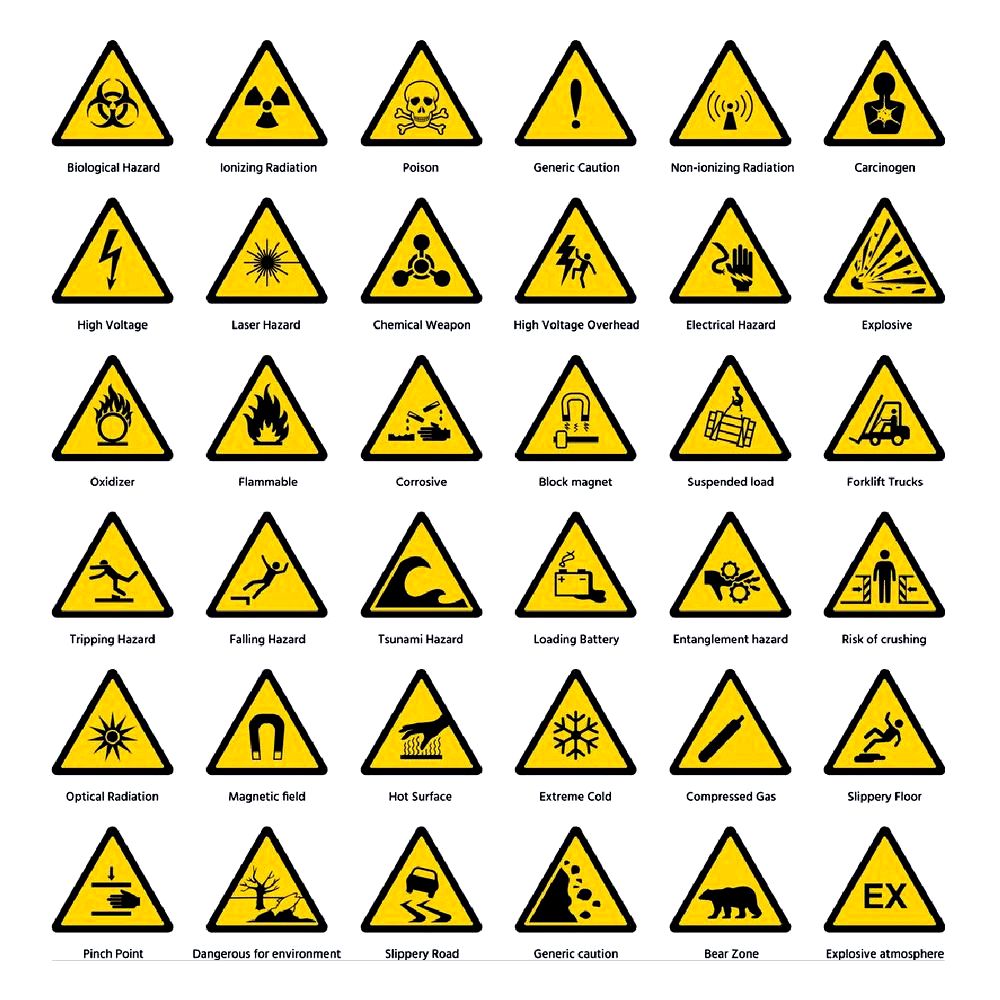
Dangerous signs at parties may include mismatched emotional stability, heated arguments, or aggressive actions. If you feel uncomfortable or sense that the situation is dangerous, it’s important to leave the situation and seek refuge in a safe place.
To avoid risks and maintain your safety, it’s important to be cautious, aware, and not ignore dangerous signs. Always remember that your safety and well-being are paramount above all else.
2. Innuendos or Non-Serious Actions
At parties and social events, there are dangerous signs that should be avoided. One of them is innuendos or non-serious actions that may disturb or deter you. It’s important to be vigilant and identify such signs and act accordingly.
No intimate advances should be dangerous
Roy Cohen – Mental Health Specialist
When someone offers you inappropriate innuendos, it’s wise to respond cleverly and clearly communicate that you’re not interested in that kind of conversation or action. If the behavior continues and the person persists in behaving non-seriously, you must be firm and distance yourself from them.
Remember, if someone doesn’t respect the boundaries you set and continues to behave non-seriously, it’s a sign that they are not suitable for you and cannot continue to be part of your life. You always deserve respect and treatment as you deserve.
Abuse or Coercion
In many parties, signs of abuse or coercion can be observed. In reality, this is a form of psychological manipulation by someone else. In order to protect yourself and avoid such situations, it’s important to recognize and understand the specific signs of abuse and take quick steps to deal with them.
Signs of abuse or coercion may include non-consent, freezing, aggression, dishonesty, mental health issues, and more. When you identify such signs in yourself or another person, it’s important to seek a safe place and ask for help from a professional or assisting authority.
It’s always better to be aware and alert in advance
Ido Cohen – Time Bomb Treatment Specialist
Those who abuse or coerce can be someone you know or someone you meet at a party. It can be a friend, acquaintance, or any other person in your environment. It’s important to be cautious and not abuse anyone, and not rely on one person for your personal needs.
If you believe you are a victim of abuse or coercion, do not hesitate to talk to someone you can trust, such as a friend, family member, or professional. It’s always important to talk about your feelings and seek help to deal with the situation safely and healthily.
4. Normalcy in an Exaggerated Manner
Often, people become too serious at parties and start behaving in an exaggerated and dangerous manner. Furthermore, they may cross boundaries and endanger themselves and others in their surroundings. There are prominent signs indicating that their normalcy has turned into exaggeration, and it’s important to recognize and address them:
- Wild and unusually abnormal behavior, such as excessive drinking of alcohol or drugs.
- Aggressive and unusual behavior, such as shouting or attacking others.
- Obsession with themselves and their image, such as excessive jealousy or obsession over everything.
- Speech or expressions that are not appropriate, such as high-level tantrums or outbursts.
When a person displays these signs, it’s important to take the situation seriously and intervene immediately. If you see someone behaving dangerously at a party, it’s advisable to address them firmly and not ignore the situation. Additionally, it’s important to report such behavior to security personnel or party organizers so that the situation can be handled quickly and effectively. At the end of the day, it’s important to talk to the person who behaved dangerously and offer them help and support so they can change their behavior in the future.
5. Attempt to Touch or Get Too Close
During a party, it’s important to be aware of dangerous signs of an attempt to touch or get too close. When someone tries to approach you in a non-serious or unauthorized manner, you should take steps to protect yourself and maintain your safety in the place.
Here are some signs that may indicate an attempt to touch or get too close during a party:
- Attempt to kiss or make physical contact without permission
- Exaggerated or non-serious behavior from a particular person
- Disrespect towards men or women in an unprofessional or inappropriate manner
- Attempt to approach physically without consent and unauthorized
- Use of words or party behavior in an unserious or inappropriate manner
If you see one or more of these signs during a party, it’s important to act immediately and distance yourself from the person or people displaying non-serious or dangerous behavior. If you have concerns about your safety, reach out to security personnel or party organizers so that the situation can be handled quickly and efficiently.
6. Feeling of Insecurity or Threats
During a party, your sense of security may be compromised. You may feel that you are in an uncomfortable or unsafe situation. If your sense of insecurity increases, it’s important to take quick and effective actions to maintain your safety.
The first warning is always the first concern
Tal Cohen – Children Safety Specialist
Here are some signs that may indicate insecurity or threats at a party:
- Feeling uncomfortable or anxious towards people around you.
- Feeling insecure due to shouting, violent behavior, or other things that cause concern.
- Breathing difficulties, chest pressure, or any physical discomfort.
- Feeling threatened or afraid of physical or mental harm.
If you feel you are in an emergency situation or fear for your safety, leave the place immediately and seek help from someone around you. Remember that your safety is paramount above all, and there is no need to stay in a situation where you feel unsafe.