1. The Importance of Protecting Privacy in Online Communication
Protecting privacy in online communication is a very important topic in the advanced technology world we live in today. In a world where all our actions on the network are performed using computers, smartphones, and tablets, the importance of safeguarding our privacy cannot be overstated.
Today, most people use the network to communicate, shop, learn, and enjoy. But with all the benefits of the digital age, there are also risks and threats to our privacy. Privacy is a fundamental right of each of us, so it is important to know how to protect it in the best possible way.
In the online world, we encounter a wide range of potential threats to our privacy. The importance of protecting privacy in online communication mainly focuses on access to our private information, such as personal details, credit information, and passwords. In addition, the importance of protecting privacy also focuses on safeguarding our emotional privacy, such as images, videos, and private messages.
In conclusion, the importance of protecting privacy in online communication is a key issue that each of us needs to take seriously. We must be careful and prioritize our privacy in every action we take online to ensure our security and privacy at all times.
It is not advisable to expose personal information publicly on social media.
Daniel Cohen – Digital Privacy Specialist
2. How to Use Passwords Securely
A strong password is the first tool you have to protect your privacy in online communication. When choosing a password, make sure it consists of different characters such as uppercase and lowercase letters, numbers, and special characters. It is also important not to expose your password to others and to update it regularly.
Additionally, to use passwords securely, it is advisable to use different passwords for each of your accounts online. In case your password is exposed or stolen, change it immediately to prevent access to your other accounts.
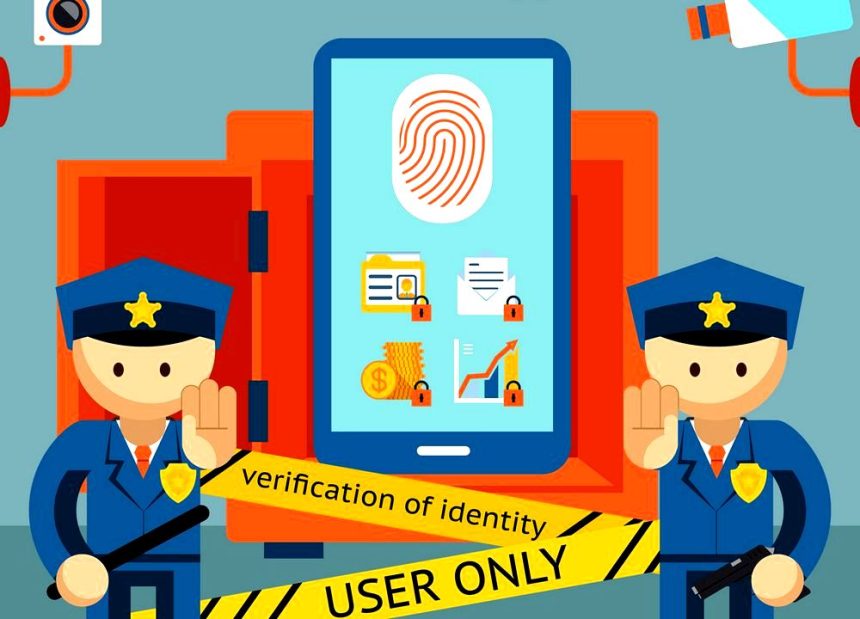
It is no less important to use additional means to protect your privacy, such as two-step verification. Through two-step verification, you will receive an additional verification code in addition to your password, ensuring that only you can access your accounts.
In the end, using passwords securely is a crucial step to protect your privacy in online communication. Do not ignore the possible risks and transparency, and always remember – privacy is important, and you must safeguard it.
3. How to Identify and Prevent Spamming and Phishing Attacks
Spamming and phishing attacks are common types of attacks on the network. To protect your privacy in online communication, it is important to know how to identify and prevent such activities.
Spamming is a phenomenon where unsolicited emails are sent without permission from the sender. To identify spam, pay attention to intriguing or strange subject lines, require attached files, or contain suspicious links. Additionally, it is important to use anti-spam systems to filter unwanted messages.
Phishing attacks are a type of network deception where attackers try to make you think they are not malicious. To prevent falling victim to a phishing attack, verify your attackers by checking the website address you are directed to, avoid opening dangerous attachments, and avoid disclosing unnecessary personal information.
It is important to be cautious and not expose ourselves to risks on the Internet. To protect our privacy in online communication, we must be aware of the various threats and act accordingly.
4. How to Use Social Networks in a Privacy-Protecting Manner
In the digital age we live in, social networks are an integral part of our daily lives. If you want to use social networks and maintain your privacy simultaneously, there are several things you should consider:
1. Choose complex passwords and frequent changes for each social network you use. Remember not to expose your password to anyone else and change it regularly.
2. Define your profile so that the personal information you share is only available to people you know.
Using strong passwords and changing login methods may enhance privacy protection online.
Naomi Levy – Technology and Information Security Specialist
3. Always check the privacy settings of the social networks you are active on and ensure they are secure and tailored to your needs.
4. Avoid sharing sensitive information such as personal details, addresses, and other personal information publicly on social networks. Remember that any information you share may be disclosed to the public.
5. If you receive friend requests from people you do not know, make sure to approve requests only from people you believe have good intentions.
In conclusion, remember that privacy is a fundamental right of every individual, and therefore, it is important to take action to protect it and prevent exposure to risks online. Choose social networks and manage them wisely and responsibly, ensuring that you enjoy using them safely.
5. How to Deal with Unwanted Content and Abuse Online
In the modern digital age, exposure to unwanted content and online abuse has become a common and dangerous phenomenon. To protect yourself and safeguard your privacy in the online environment, it is important to know how to deal with similar situations. Here are some useful tips:
1. Report to Suitable Platforms: If you encounter harmful content or online abuse, report it immediately to appropriate platforms such as social networks or websites. Such reporting may lead to the removal of content and prevent further exposure to it.
2. Contact Local Authorities: If you come across content that violates the law or constitutes a criminal offense, it is advisable to contact local authorities and report the incident. These authorities may act promptly to protect you and others from further abuse.
3. Maintain Privacy: Try to maintain your privacy and avoid disclosing unnecessary personal information online. This may prevent external systems from using your information for harm.
Every individual has the right to choose the level of privacy they want to maintain in the digital world.
Avia Cohen – Network Privacy Specialist
4. Use Security Tools: Use technological security tools such as antivirus software and firewall to protect your devices from malicious attacks and network intrusions.
5. Consult Experts: If dealing with unwanted content and online abuse is complex and you cannot solve the problem on your own, it is advisable to seek help from experts in the field of technology and information security for professional assistance.

In conclusion, it is important to remember that privacy is a fundamental right of every individual, and therefore, it is important to take action to protect it and prevent exposure to risks online.