1. What are the risks of publishing personal information on social networks
Publishing personal information on social networks may lead to certain risks that need to be aware of. Due to the widespread use of social networks in our days, the importance of protecting the privacy and security of our personal information has increased. Here are some of the main risks associated with publishing personal information on social networks:
- Exposure of personal information to unwanted parties – When we publish personal information on social networks, there is a risk that the information will reach parties we did not intend to disclose it to.
- Damage to reputation and privacy – Publishing personal information on social networks may harm our privacy and expose us to a wide audience that does not personally know us.
- Identity theft – Publishing personal information such as date of birth, address, and other personal details on social networks may lead to identity theft and malicious use of our information.
- Influence on social and professional events – Publishing personal information on social networks may influence social and professional events in our lives, creating undesirable situations.
In summary, it is important to be aware of the risks associated with publishing personal information on social networks and take appropriate precautions to protect our privacy and information security.
2. How to protect personal information from cyber attacks
Cyber attacks on personal information on social networks are common threats today. To protect yourself from cyber attacks, it is important to understand the risks and take appropriate security measures. Here are some tips to help you safeguard your personal information on social networks:
Avoid sharing confidential or private information on social networks despite their popularity
Roi Avitan – Information Security Specialist
A. Protect your privacy: Set privacy settings on your social networks so that only people you know can see your information.
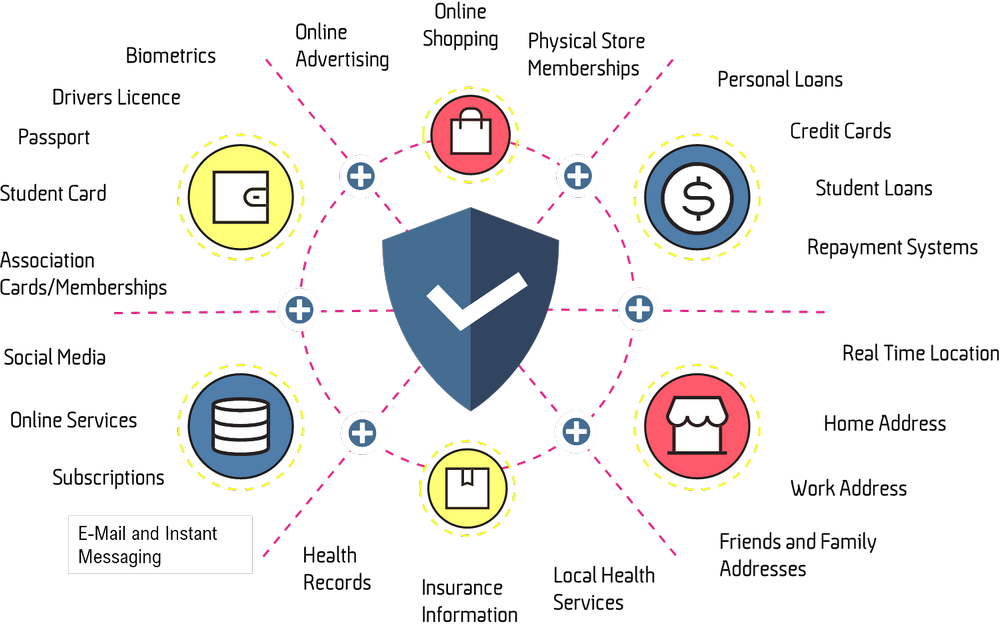
B. Be cautious with personal details: Always be careful with personal details such as ID numbers, addresses, and phone numbers. Do not post them on social networks.
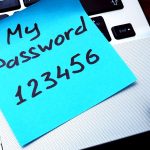
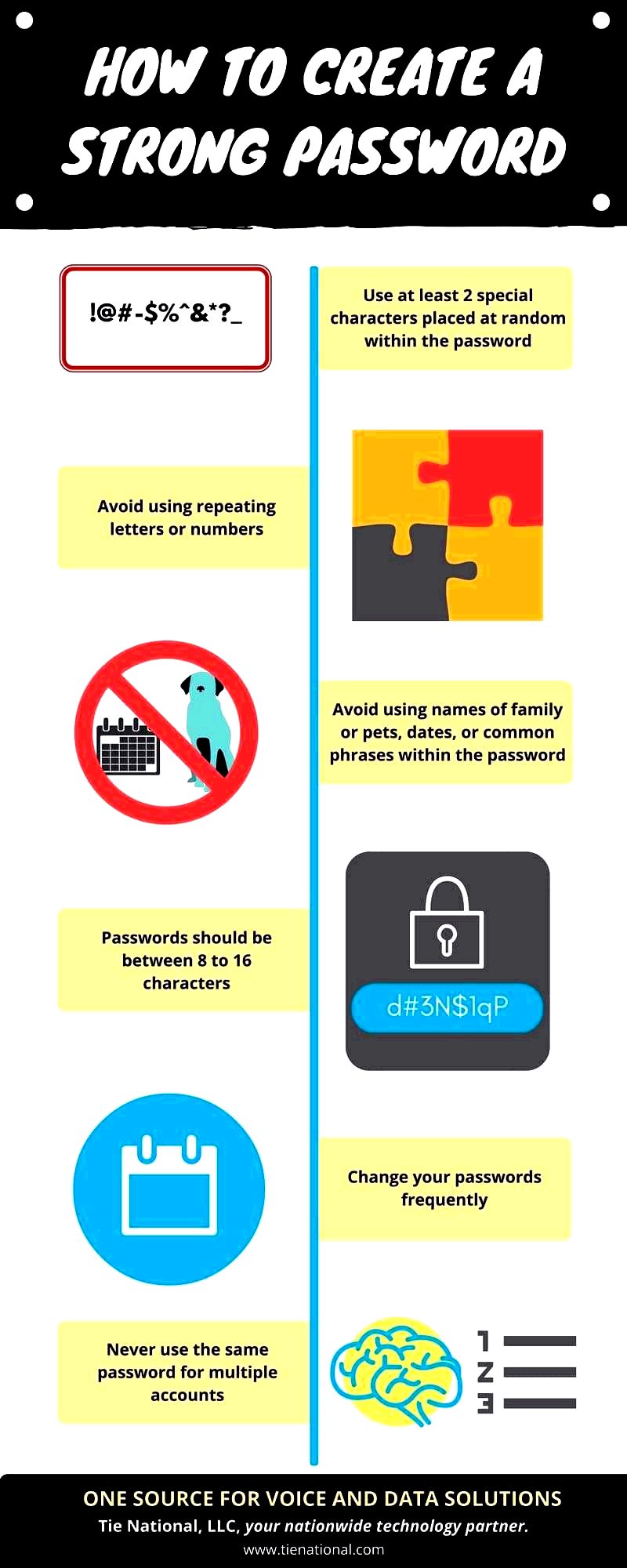
C. Use secure passwords: Ensure that your passwords are strong and unique for each account. Avoid using easy passwords such as birthdates or short passwords.
D. Use security tools: Install antivirus software and other security tools on your computer and smartphone to prevent attacks.
E. Identify and report cyber attacks: If you feel you are being cyber-attacked or encounter harmful posts on social networks, report it to site administrators and change your privacy settings.
Ultimately, finding ways to protect personal information on social networks is essential to safeguard your privacy and security online. Be cautious and take appropriate measures to prevent the exposure of personal information to cyber attackers.
3. How to avoid unwanted distribution of personal information
When using social networks, it is important to consider the risks that arise from sharing personal information. To avoid unwanted distribution of personal information, consider the following tips:
1. Use privacy settings: Define privacy settings on your social networks so that only people you know can see your posts.
Information shared on social networks can fall into the hands of unwanted individuals and lead to harm
Sarah Cohen – Personal Information Security Expert
2. Avoid using sensitive information: When it comes to sensitive information such as ID numbers or credit cards, avoid posting them on social networks.
3. Interact with familiar users: Avoid adding users who are not familiar or trustworthy to your friends list on social networks.
4. View profiles anonymously: When viewing profiles of other people on social networks, maintain anonymity and avoid influencing them in a way that could expose personal information.
5. Register for applications and services: When asked to register for specific applications or services through social networks, check the permissions you are granting and prioritize your privacy.
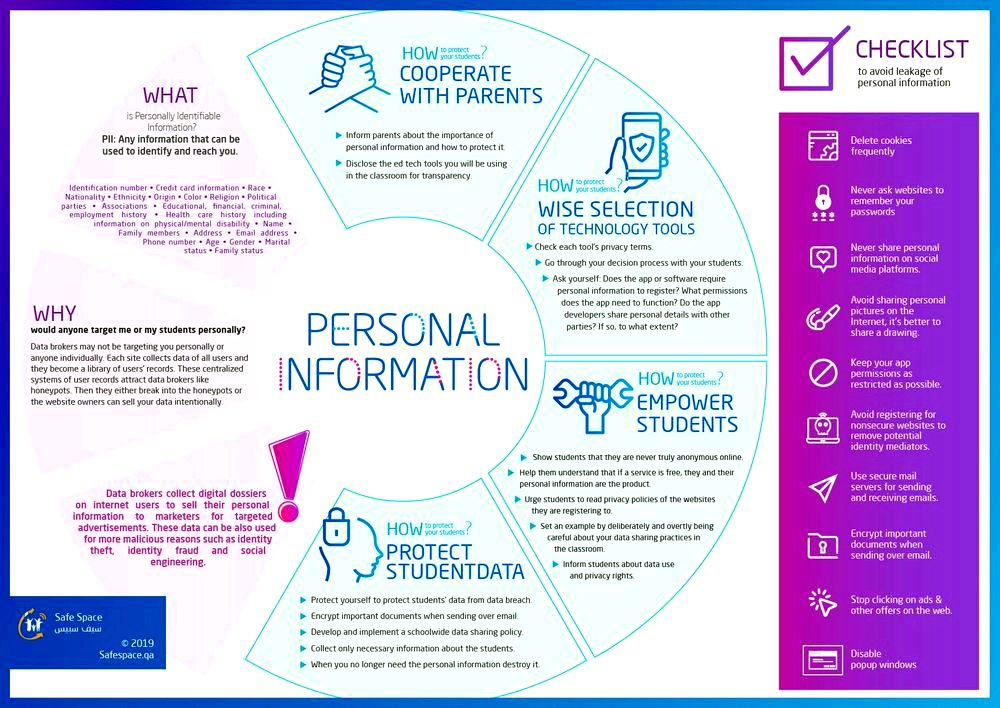
In conclusion, remember that publishing personal information on social networks may pose many risks. We must be cautious and protect our privacy online.
4. How to reduce risks in using social networks
When using social networks, it is important to consider the various risks that may occur. To reduce potential risks, you can take the following actions:
1. Do not expose personal information: Maintain privacy and do not expose personal information such as ID numbers, addresses, or financial information publicly on social networks.
Protecting personal information on social networks is essential to prevent risks and harm
Yael Goldstein – Digital Information Security Specialist
2. Manage your profile wisely: Ensure that the privacy settings on your profile are tailored to you and do not allow public access to sensitive or private information.
3. Avoid posting personal information in public posts: When posting pictures or updates on your profile, make sure you do not expose sensitive or personal information that may be included in those posts.
4. Use complex passwords: Ensure that your passwords for social network accounts are complex and difficult to crack, and update them regularly to maintain the security of your information.
5. Avoid opening suspicious links: Be cautious of links received in private messages or posts on social networks, and do not click on them without verifying their source and content.
There is a risk that your personal information may be exposed or fall into the hands of unfamiliar individuals. To reduce the risk of compromising your privacy, be cautious and do not expose sensitive information on social networks.
5. Tips for safely using social networks
- Do not expose sensitive personal information in heightened public visibility.
- Pay attention to privacy settings and limit who can see your content.
- Always think twice before uploading photos or personal details to social networks.
- Use complex passwords and change them regularly.
- Do not publish personal information such as address, ID number, or phone number publicly.