1. Creating a Strong Password
In today’s modern world, strong passwords are a vital component in safeguarding safety in the digital space. A strong password is one that is difficult to crack and discover, composed of a combination of uppercase and lowercase letters, numbers, and special characters.
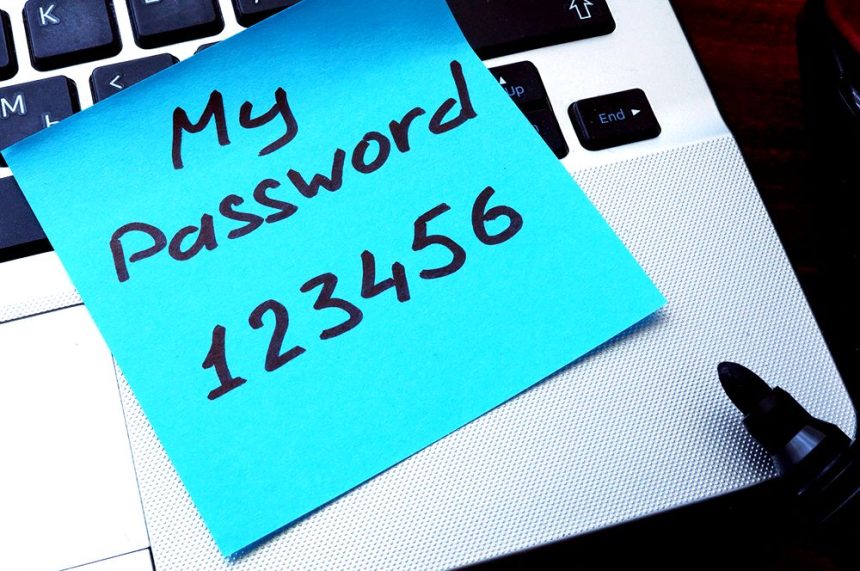
To create a strong password, you should avoid using personal details such as birthdates or family names. Additionally, it is preferable to use words that are not easily guessable or understandable, and refrain from using common words like “password” or “123456”.
To create a strong password, try to use a password consisting of words that are not easily guessable, in combination with uppercase and lowercase letters, numbers, and special characters. Also, try to create a password that consists of multiple words or phrases, not just a single word.
Always remember not to expose your password to others and change it regularly. When you have a strong password, you protect your privacy and prevent unauthorized access to your accounts.
So, an important reminder: creating a strong password is a vital step in safeguarding safety online. When you create a strong password, you protect yourself and your online information. Always remember: a strong password is the key to online security.
2. Choosing Secure Passwords
A strong password is the key to security online. Creating a strong password is an important step in protecting your privacy and preventing unauthorized access to your accounts. Here are some tips for creating secure passwords:
A strong password will prevent access to a private account and protect your personal information.
Sarah Golan – Internet Security Expert
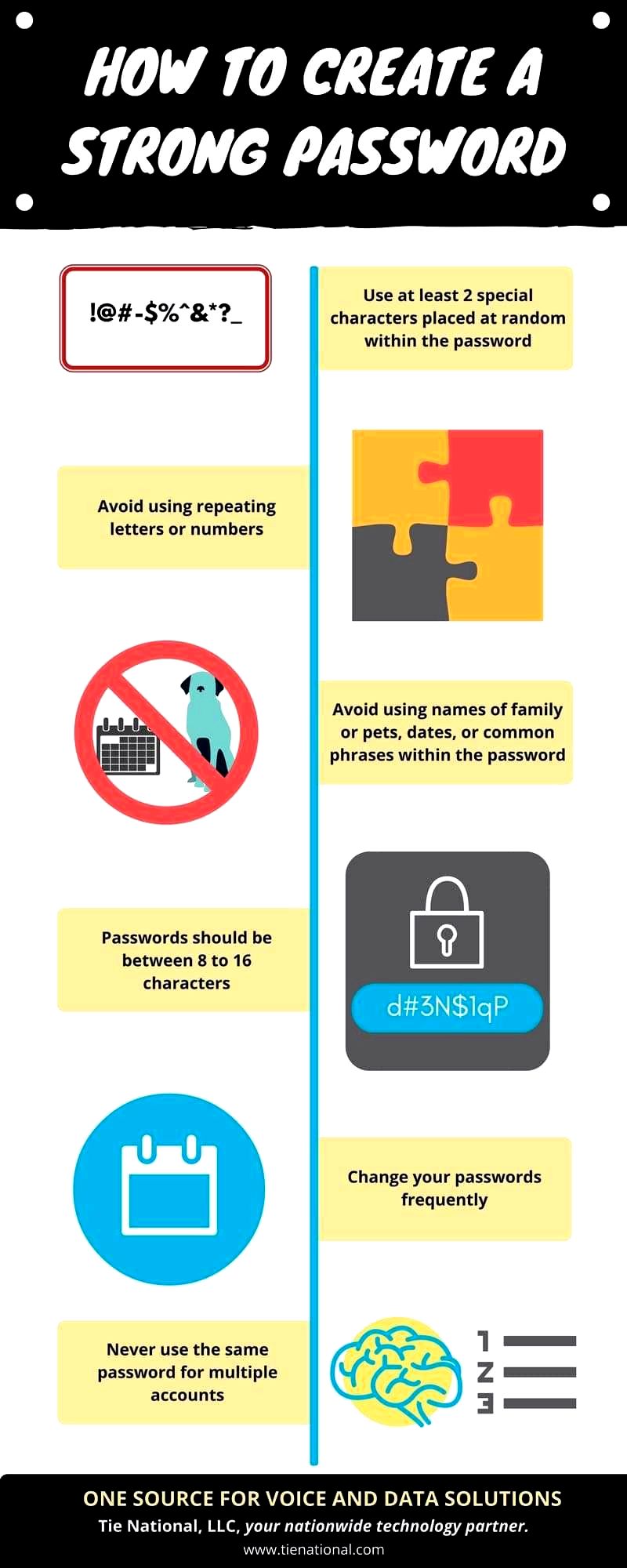
1. Length: The password should be at least 8 characters long. The longer the password, the harder it will be to crack.
2. Use of Characters: It is advisable to use a combination of uppercase and lowercase letters, numbers, and special characters such as punctuation marks.
3. No Personal Information: It is important that the password does not contain personal information such as your name, date of birth, or ID number.
4. Change Regularly: It is better to change the password regularly, at least twice a year.
5. No Reuse: It is forbidden to use the same password for multiple different accounts. Each individual account needs to have a unique password.
Choosing a strong password is a simple yet important step in securing your personal information. By avoiding common mistakes and keeping the password confidential, you can ensure that only you can access your accounts securely and safely.
3. Using Unique Passwords for Each Site
When creating a strong password for intimate dating sites, it is important to pay attention to several key points. Firstly, it is important to use different passwords for each site, so if you have accounts on multiple different sites, maintain a different password for each one. This is crucial in case of a security breach on one of the sites, so the breach does not spread to other sites where you have an account.
Additionally, it is important to use long and complex passwords, including uppercase and lowercase letters, numbers, and special characters. A strong password should be at least 8 characters or more and include a variety of different characters to make it difficult for intruders to crack it.
Another important point is to change the password every few months, even if you think the password is strong and secure. This is important even in cases of suspicion of intrusion or concern that someone may know your password. By doing so, you protect yourself and reduce the risk of intrusion into your accounts.
In summary, creating a strong password is a vital step in protecting your privacy and safety online. To ensure this, it is important to use unique passwords for each site, create complex and long passwords, and change them regularly. This way, you can feel safe and enjoy the intimate dating experience in a secure and protected manner.
Using a strong password manager can efficiently protect your privacy.
Eitan Malka – Information Technology Specialist
4. Protecting Personal Data Online
One of the most important tasks in the digital age is to safeguard our privacy online. Personal data such as passwords, email addresses, and other personal information can be exposed and accessed by unwanted individuals if not properly protected. How can we protect our privacy online?
The first and most important way to protect personal data is to create strong passwords. A strong password is a lengthy password that contains uppercase and lowercase letters, numbers, and special characters. It is important not to expose the password to others and not to use it in public places.
Additionally, it is advisable to use additional security measures such as two-factor authentication and using different passwords for each site and service. This can reduce the risks of personal data breaches.
Equally important is to regularly update our personal content and remove any irrelevant or unwanted data. This way, we can prevent misuse of our information.
Ultimately, it is important to be cautious and not expose personal information in a non-serious manner online. We must remember that our privacy is important and needs to be protected at all times and in all places.
5. Strong Passwords and How Not to Forget Them
A strong password is the key to safety and privacy online. To create a strong password, it is advisable to consider a few simple rules:
- Use a password that is at least 8 characters long.
- Include uppercase, lowercase, numbers, and special characters in the password.
- Avoid using personal details such as your name or birthdate.
- Change the password regularly, at least twice a year.
- Do not use the same password for multiple different accounts.
To avoid forgetting the password, you can use simple techniques:
Website administrators will be more secure when passwords are strong and complex.
Ronan Cohen – Information Security Expert
- Write down the password and keep it in a safe place with regular updates.
- Use memory passwords, such as favorite sentences or paragraphs that you can easily remember.
- Use password management applications that offer secure password storage and management.
Remember, a strong password is the first step in protecting personal information and privacy online. Follow safety guidelines and be safe and secure online!