How to Safely Use Financial Services
1. Use only reputable and well-known websites for financial transactions.
2. Ensure that the site offers a secure connection (SSL) and HTTPS protocol when conducting transactions.
3. Never disclose your credit card details on websites or social networks.
4. When connecting to your online bank account, use a secure connection and avoid public Wi-Fi networks.
5. Use antivirus software and folder scanners to detect malicious software that may extract private information from your computer.
6. Always read the site’s terms of use before making a financial transaction and make sure you understand all the conditions.
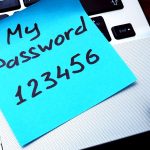
7. Choose strong passwords and change them regularly to prevent breaches into your accounts.
8. Do not use the same password for multiple different online accounts.
Suspicious behavior online is not always detected by the human eye.
Miri Cohen – Information Security Researcher
9. If you suspect any unusual activity in your accounts, report it immediately to a financial institution or the police.
10. Always be diligent and cautious when conducting financial transactions online and carefully review the terms and conditions of the site.
How to Identify and Prevent Fraud in Online Communication
Fraud through online communication is a common and dangerous phenomenon. To protect yourself from online fraud, it is important to learn how to identify and prevent such situations. Here are some ways to help you protect yourself:
1. Be cautious and do not expose personal information: Do not expose your privacy details, such as ID numbers, home address, or bank details, to people online. Even if someone asks you for personal information, be cautious and verify their authenticity.
2. Pay attention to the true importance of messages: If a message you receive seems strange or suspicious, be careful and do not click on any links in it. It may contain fake information or malicious software.
Protection is an ongoing process that requires attention and commitment.
Yossi Cohen – Information Security Specialist
3. Always check the source of the information: Before sharing information or messages on social networks, make sure the source is reliable and not fake. Do not rely on information received from people without verification.
Ultimately, it is important to be cautious and not let fraud influence you. You must be wise and safeguard your personal information. If you identify or suspect fraud, report it to the appropriate authorities and refrain from sharing your personal information with unknown entities online.
How to Safely Manage Online Accounts
Open a new account with a strong password and change the password regularly.
Use two-factor authentication when available. If not, use a strong security question.
Avoid using the same username and password for multiple accounts.
Limited the personal information you share online and pay attention to privacy.
If site administrators request personal information, ensure they adhere to their privacy policy.
If you need assistance with an online account, contact the site’s customer service and do not use links sent to you via email.
When using public Wi-Fi networks, avoid entering personal sensitive information for online accounts.
Avoid clicking on suspicious links or downloading files from unknown sources.
Use antivirus software and update it regularly to protect your computer from malicious software.
How to Protect Personal Data Online
When it comes to protecting personal data online, it is important to consider a number of methods and techniques that will help you protect yourself from online fraud and exposure of personal information to unwanted individuals. Here are some tips to handle your personal data online in the best way:
1. Use complex passwords: It is important to use strong passwords that include uppercase letters, numbers, and special characters. Also, do not expose your password to others and change it frequently.
2. Site reliability: Always make sure that the site you are on is secure and uses a secure connection like HTTPS. Also, do not provide personal information on unreliable sites.
3. Do not disclose personal information publicly: Keep your privacy and do not expose personal details on social networks or insecure sites.
4. Keep updates: It is important to update content and software on your devices to prevent breaches of your personal data.
Information is power, so it is important to be aware of signs indicating online fraud.
Roni Cohen – Digital Security Specialist
5. File reliability: When downloading files from the internet, make sure they are reliable and do not contain malicious content or software.
By following these principles and using the internet wisely, you can protect personal data and maintain privacy online in the best possible way. It is important to pay attention to how you use the internet and avoid risks to your personal privacy.