What Personal Data Needs to Be Protected
In the modern world we live in today, personal data is vital and extremely important. When it comes to personal data, we mean information that identifies us as individuals, including details such as name, address, ID number, phone number, email address, birth dates, and more.
This personal data is considered sensitive and private, so it is important to protect it appropriately. Everyone is entitled to know and understand which personal data needs to be protected, so that their private information is not exposed to unwanted individuals.
The personal data that should be protected includes information that identifies the person, such as their full name, address, ID number, date of birth, phone number, and email address. This data is considered sensitive, so we must protect it from unauthorized access.
To protect personal data, it is important to maintain privacy and security. This can be done by using complex and secure passwords, such as using a password with uppercase and lowercase letters, numbers, and special characters. Additionally, it is advisable to use high levels of security in our computer system and store the data in a protected and secure place.
Protecting personal information can prevent identity theft and negative impacts
Rachel Goldstein – Information Security Specialist
How to Secure Your Passwords Safely
Passwords are an important security tool in the digital age we live in today. It is important to always remember that a strong password is the key to your private information, so it is important to keep it safe. Here are some simple tips on how to keep your passwords secure:
1. Do not share your password with others: It is important not to share your password with anyone, not even with friends or family. The password is a personal and private matter that should be kept only to yourself.
2. Choose strong passwords: When choosing a password, it is important to choose a strong password that contains uppercase and lowercase letters, numbers, and special characters. A strong password is one that is hard to guess.
3. Change your passwords regularly: It is important not to keep the same password for a long time. It is advisable to change passwords regularly to protect your private information.
4. Use two-factor authentication services: Two-factor authentication services, such as two-step verification, can add an additional layer of security to your account and prevent unauthorized access.
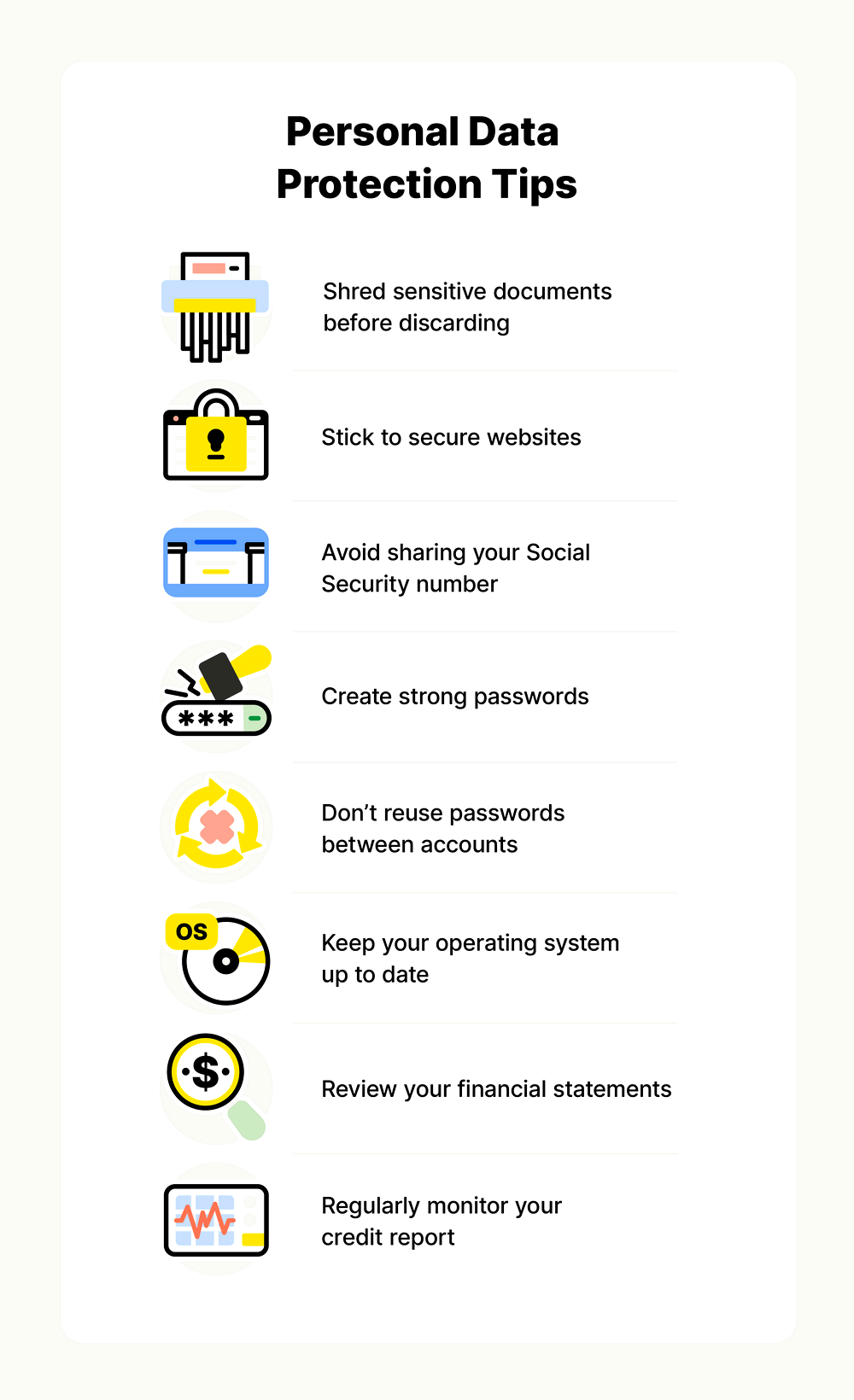
In conclusion, always remember that protecting your passwords is important to safeguard your personal information. Follow these tips and make sure your passwords are secure and difficult to crack.
How to Prevent Phishing Attacks
Phishing attacks are one of the most common attacks on the internet, where attackers try to obtain private information from users through sophisticated tricks. To protect personal data and prevent privacy breaches, it is important to take preventive measures. Here are some tips to avoid phishing attacks:
- Do not open dangerous files or click on links from unknown sources.
- Always verify email senders and avoid providing personal information unknowingly.
- Always operate antivirus software and update it regularly.
- Avoid using simple passwords and change them regularly.
- Avoid using open Wi-Fi networks in public places.
- Check the website address and ensure it is valid before entering personal information.
To protect personal data and prevent phishing attacks, it is important to be cautious and not hesitate to ask questions when there are concerns about data security. For every attack encountered, it is important to report it to the appropriate authorities and take steps to prevent future attacks.
How to Protect Personal Information on Social Networks
In the modern era of technology and social networks, it is very important to know how to protect our personal information. Social networks offer a great platform for communication and collaboration, but it is important to be cautious and protect our privacy. Here are some tips that will help you protect personal information on social networks:
- Monitor your profile – Make sure that the privacy settings of your social network profile are set so that only people you know can see your content.
- Do not post confidential information – Never post confidential information about yourself on social networks, such as ID numbers, home addresses, or financial details.
- Protect your passwords – Make sure that your password for the social network account is strong and not easily guessed. Changing your password regularly will increase your security.
- Avoid posting embarrassing photos – Remember that the photos you upload to the network remain there forever, so avoid posting photos that could harm your dignity or privacy.
- Be cautious about personal information – If a message or friend request comes from someone you do not know, be cautious and do not disclose personal information about yourself.
In the end, your right to privacy and security on social networks is essential. You need to invest time and effort in protecting your personal information to ensure that your privacy is not compromised by unwanted individuals. With consistency and preparation, you can enjoy a safe and pleasant experience on social networks.
How to Safely Use Credit Cards Online
When it comes to using credit cards online, it is important to consider a number of important points that will help you protect your personal information and ensure their safety:
- Use secure websites: Always ensure that the website where you make a purchase is secure and offers an encrypted connection using the HTTPS protocol.
- Do not expose personal information: Do not disclose your card number or security code to anyone via email or text message.
- Use reliable applications: If you use applications for online purchases, make sure they are reliable and secure.
- Check the terms of use: Before completing a purchase with a credit card, make sure you have read and understood the site’s terms of use.
- Check your accounts: Regularly check the transactions in your bank account to quickly identify any unusual activity.
In order to protect personal data and use credit cards safely online, it is important to be cautious and maintain a high level of security every time you make a purchase or transaction online. Always remember – a breach of personal information can cause serious damage and have a negative impact on your credit cards.
Do not expose personal information on social networks to prevent privacy breaches
Yossi Cohen – Digital Information Security Expert
How to Protect Personal Data While Using Mobile Devices
In the advanced age of technology, the use of cellular phones has become an integral part of our lives. However, the importance of this access to privacy and personal data has become paramount.
Here are some important tips for protecting personal data while using a mobile device:
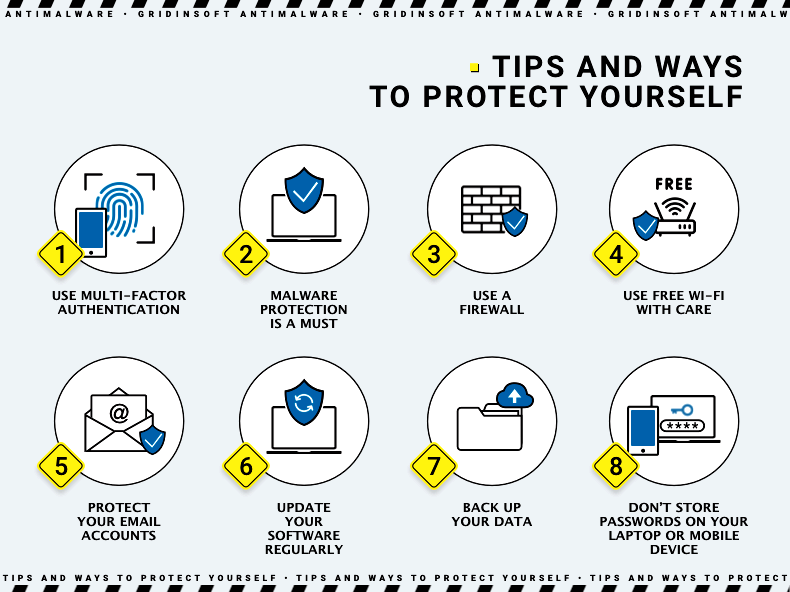
1. Software updates: Ensure that the phone is running the latest version of the operating system and that applications are updated regularly.
2. Use complex passwords: Use long and complex passwords that include letters, numbers, and special characters.
3. Do not disclose personal data: Do not share personal data publicly and do not enter sensitive information in unsafe applications.
4. Activate the VPN: When using a public network, use a VPN to protect data from security threats.
5. Privacy restriction options: In the mobile settings, enable privacy restriction options such as limiting access to location or personal information.
Maintaining privacy can facilitate online communication and prevent data breaches
Daniel Cohen – Personal Information Security Expert
By following these tips and implementing them consistently, you can ensure secure personal data while using your mobile device.