1. The Importance of Communication in Relationships
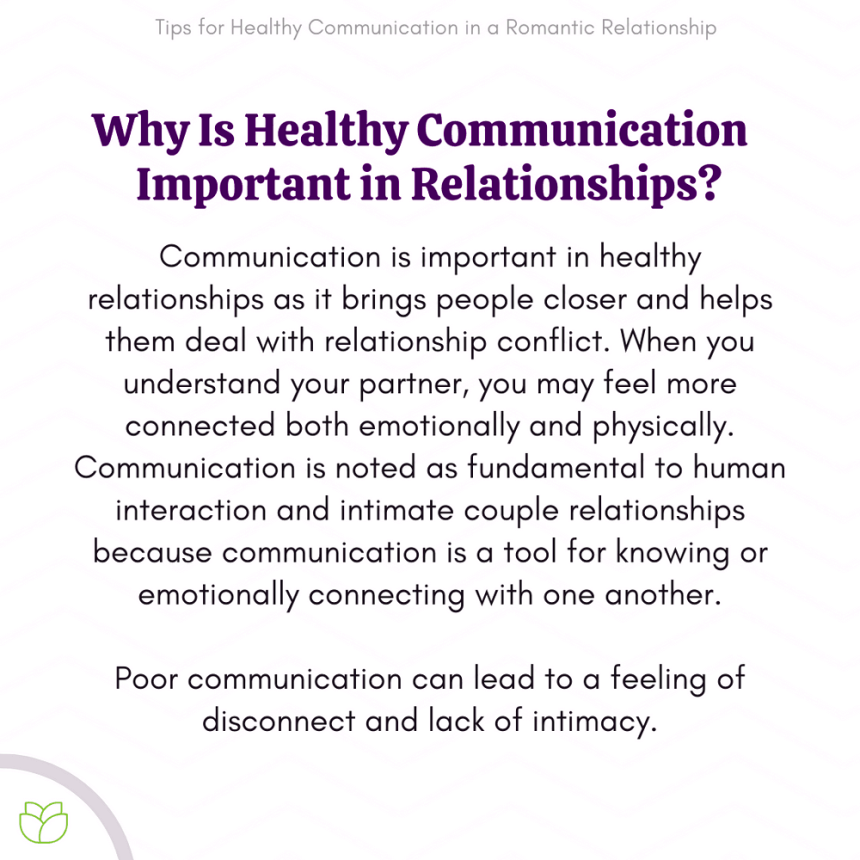
Healthy communication is a crucial foundation in all relationships, from romantic relationships to family and social relationships. Communication is the primary way in which we express our emotions, needs, and desires, and enables us to understand and empathize with the experiences and feelings of the other party. Healthy communication ensures that both sides feel heard, understood, and accepted according to their values and needs.
During healthy communication, it is important to listen attentively, understand, and appreciate the opinions and feelings of our partners. It is important to show sensitivity, respect, and understanding towards our partners, and focus on creating a genuine and quality connection.
Healthy communication also includes the ability to express ourselves clearly and directly, without fear of its impact on our relationships. When we express our feelings and needs openly and honestly, we are more likely to create a strong and genuine connection with our partner.
In summary, healthy communication in relationships forms the foundation for creating quality, serious, and meaningful relationships. We must focus on our ability to express ourselves honestly and clearly, listen and understand our partners, and create a stable and genuine connection between both sides.
2. Building Self-Confidence in the Communication System
Building self-confidence in the communication system is crucial when it comes to healthy relationships. Self-confidence directly impacts the quality of our communication and our ability to express ourselves in a healthy and productive manner.
To build self-confidence, it is important to understand and accept ourselves with all our shortcomings and strengths. This includes the ability to accept criticism and deal with difficult dialogues in a constructive and healthy manner.
In order to build self-confidence in the communication system, it is important to focus on several key points. Firstly, it is important to deal with emotions and not ignore them. This includes the ability to express our emotions clearly and directly.
Additionally, it is important to get used to being truthful to ourselves and maintaining healthy boundaries regarding what we feel and think. This may also include the ability to refuse things that are unpleasant or not in line with our values.
Collaboration is the foundation for healthy communication in relationships
Rachel Levi – Couple and Family Therapy
Finally, it is important to focus on autonomy and our influence on our communication. We can look for ways to express ourselves assertively and healthily and maintain self-respect at all times.
Building self-confidence in the communication system is a delicate and highly important process. We need to focus on ourselves, get to know ourselves, and express ourselves in a healthy and assertive manner.
Understanding and appreciating the partner’s point of view is very important
Abigail Cohen – Family Therapist
3. Dealing with Communication Stress in Relationships
Communication stress in relationships is a challenging situation that can affect interpersonal communication and the relationship between you. How can you deal with this stress and maintain healthy communication in relationships? Here are some tips that will help you deal with communication shocks and improve your communication in relationships:
1. Listen honestly and respectfully to the opinions and feelings of your partners.
2. Speak clearly and openly about the feelings and issues that bother you.
3. Try to understand the point of view of your partners, even if you don’t agree with them.
4. Let the communication stress pass and do not hold onto the shocks within you.
5. Solve communication problems like adaptation and understanding.
6. Get support from your loved ones and tools to deal with communication stress.
In conclusion, remember that healthy communication in relationships requires effort and perseverance. You need to be attentive to the needs of your partners, maintain openness and respect in communication. By listening and being sensitive to the opinions and feelings of others, you can improve communication in relationships and strengthen the bond between you.
4. Tips for Maintaining Healthy Communication in Relationships
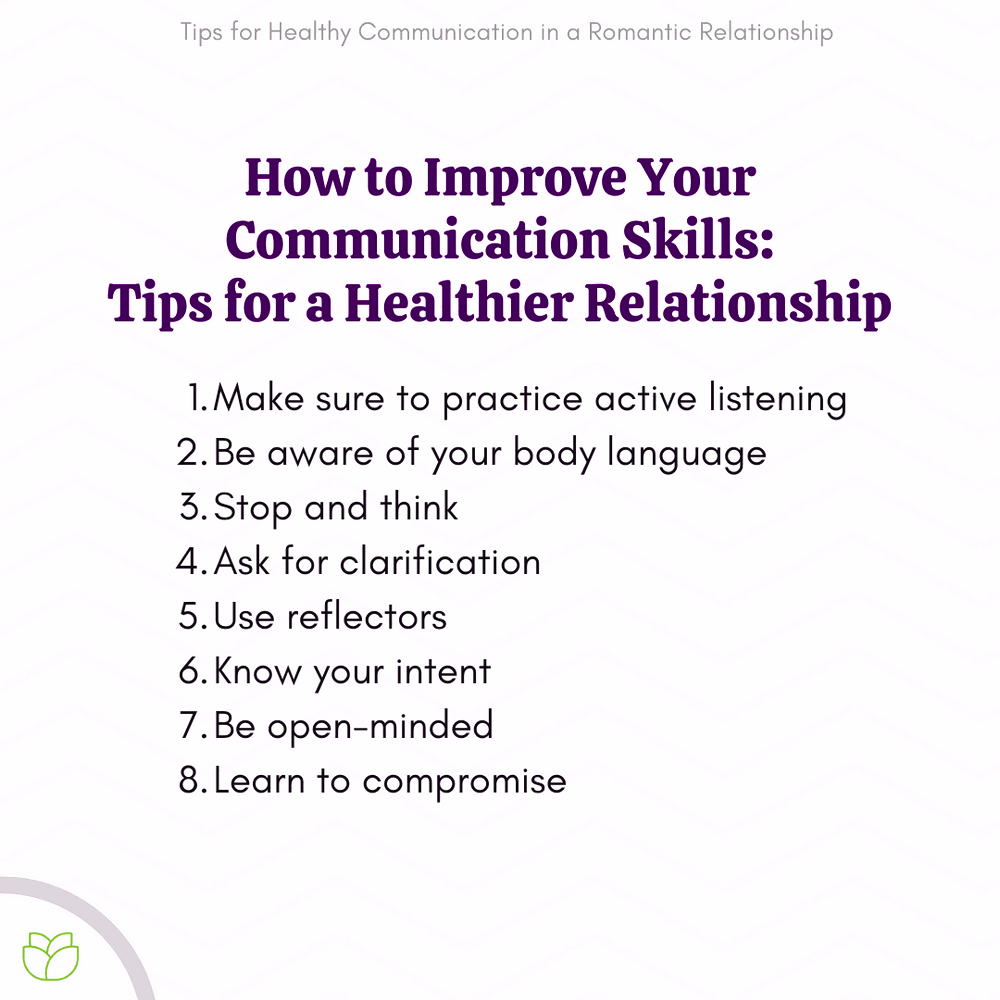
1. Speak honestly: Always try to speak honestly with your partner, even when it is difficult. Honesty leads to building trust and leads to healthy and open communication between you.
2. Listen attentively: When your partner speaks, listen attentively to what he says. Let him finish his words before you respond, and show that you understand and appreciate his opinion.
3. Try to understand a different point of view: You may not always agree with your partner, and that’s okay. Try to understand his different point of view and acknowledge it.
4. Give importance to your words: Remember, the words you use affect the communication between you. Always try to speak respectfully and avoid using hurtful or offensive words.
5. Open a communication channel: When there are concerns or problems, do not refrain from discussing them. Open an open and honest communication channel where you can talk about anything.
6. Act together: Plan shared activities that will help you strengthen your bond. This will promote communication and connect you both.
7. Remember that you are a team: Always remember that you are a team standing side by side. Always work together and find ways to solve problems together.
5. How to Establish Boundaries in Communication with Your Partner
Establishing boundaries in communication with your partner is very important to maintain healthy communication in relationships. When setting boundaries in advance, you can prevent dangers and conflicts that may arise in communication between the two of you.
Here are some tips for establishing boundaries in communication with your partner:
- Talk about each other’s needs and agree on clear boundaries and rules.
- Set boundaries between internal and external communication with the partner. Set specific times to discuss sensitive and consistent topics.
- How to behave and cope with feelings of anger or sorrow may be the boundary point in communication with the partner. Discuss this in advance and agree on ways to deal with such situations.
- Involve your partner in creating boundaries and rules so he has an active part in the process and exposure to your needs and feelings.
- Most importantly – remember that healthy boundaries in communication with the partner do not need to be comprehensive and final. Boundaries can change and expand according to the needs and processes in the relationship.
To maintain healthy communication in relationships, it is important to discuss boundaries and rules in advance, be open with each other, and collaborate. When communication is healthy and balanced, a relationship can grow and develop positively and communicatively.
6. How to Deal with Communication Conflicts in Relationship
Difficulties in communication can be a natural part of any relationship. How can you deal with communication conflicts and maintain healthy communication in relationships?
Creating a sense of security and trust is the key to healthy communication.
Yael Cohen – Specialist in Therapeutic Approaches

1. Speak openly and with understanding: Focus on important things and do not exaggerate. Understanding and respect are important parts of the communication process in relationships.
2. Communication is not verbal: Communication is not just verbal. Body language, emotions, and perspectives are also important in relationship communication.
3. Dare to ask: If you have doubts or questions, do not hesitate to ask. The hope is that you will receive answers and solutions.
4. Anger management: When a conflict cools down, acknowledge it and try to deal with it calmly.
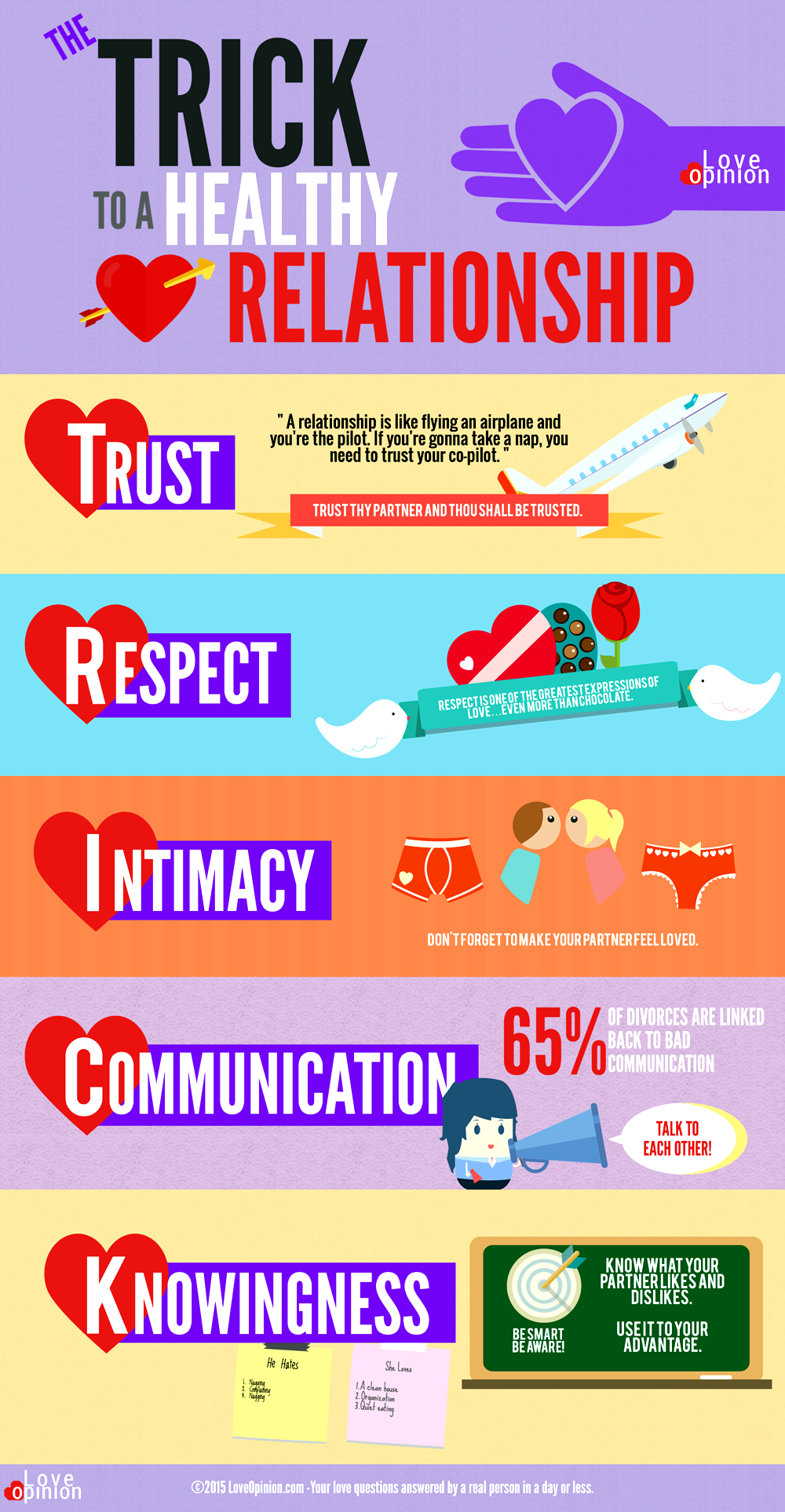
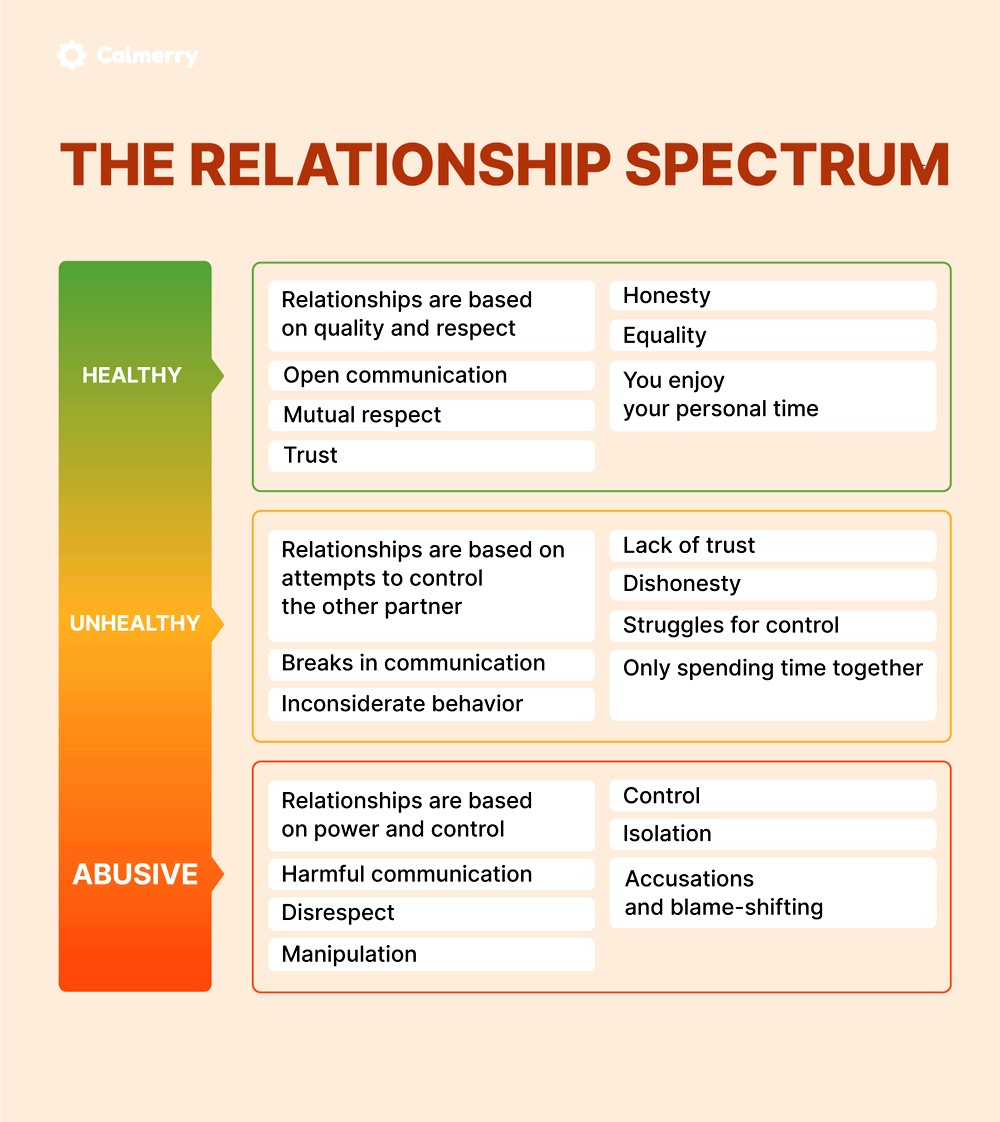
5. Clear boundaries: Define clear boundaries and respect them. Healthy communication requires respect and understanding of the needs and feelings of the partners.
6. Constructive relationship: Like anything else in a relationship, healthy communication requires work and investment. This process can be complex, but the result will be worth all the effort.