1. Types of Risks in Digital Bullying
In the digital age we live in today, there are various types of risks that may occur in the virtual space of the internet. One of them is the ongoing risk of leaking private and personal information from devices connected to the network. This information may be exposed to third parties and negatively affect the privacy and safety of users.
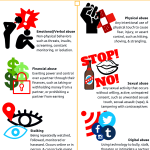
Another risk is digital abuse, where a person uses others’ personal information for non-serious or harmful actions. This can include unlawfully sharing intimate photos, harassing users, or damaging their public image.
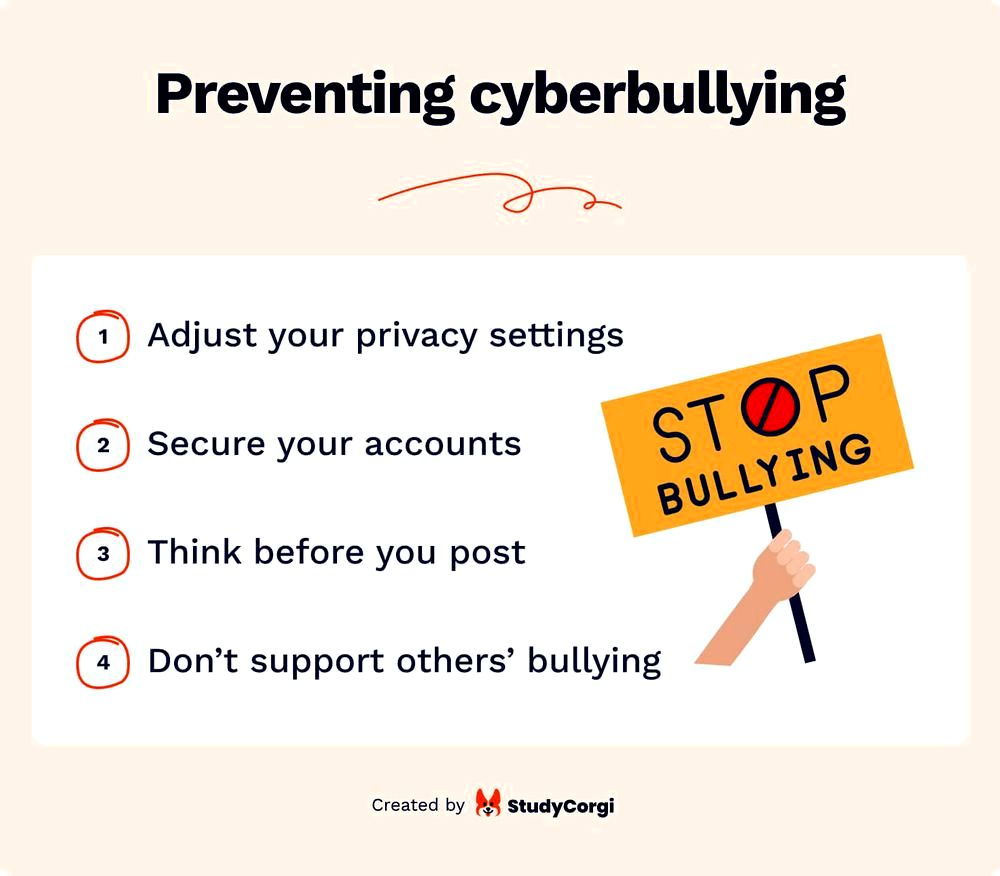
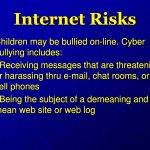
Another risk is cyberbullying, which poses a threat and risk to the safety of network users. During cyberbullying, a person may be exposed to attackers trying to cause harm and damage by using harmful content, sharing private information, or even accessing sensitive user information.
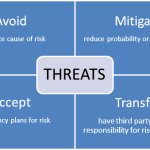
To reduce these risks, it is important for users to be aware and familiar with possible risks. Additionally, using tools and technological safeguards intended to protect our personal and private information on the network is essential. Registering on reliable websites, using complex passwords, and regularly updating private content may reduce risks and ensure a safe and protected browsing experience online.
Use should be a tool and not its opposite
Oren Cohen – Technology and Communication Specialist
2. Potential Identification and Dealing with Risks
In the modern digital age, the importance of digital bullying cannot be overlooked. In order to protect yourself and avoid unnecessary risks, it is important to identify them and deal with them properly.
Vigilance and transparency are key to identifying potential digital bullying. When you meet someone online, it is important to verify their identity and authenticate their data before engaging with them intimately.
Additionally, it is important to be cautious wherever you use the internet, including social networks and dating apps. It is always better to avoid using intimate photos or private information that could become public in an undesirable manner.
In conclusion, identifying potential risks and dealing with them are essential parts of using the digital age. You must be aware of them and act wisely and sensibly to protect your safety and privacy online.
3. Privacy Protection and Personal Information
Digital bullying is a phenomenon that raises concerns worldwide. How can we protect privacy and personal information in an age where everything is done through computers and digital technologies.

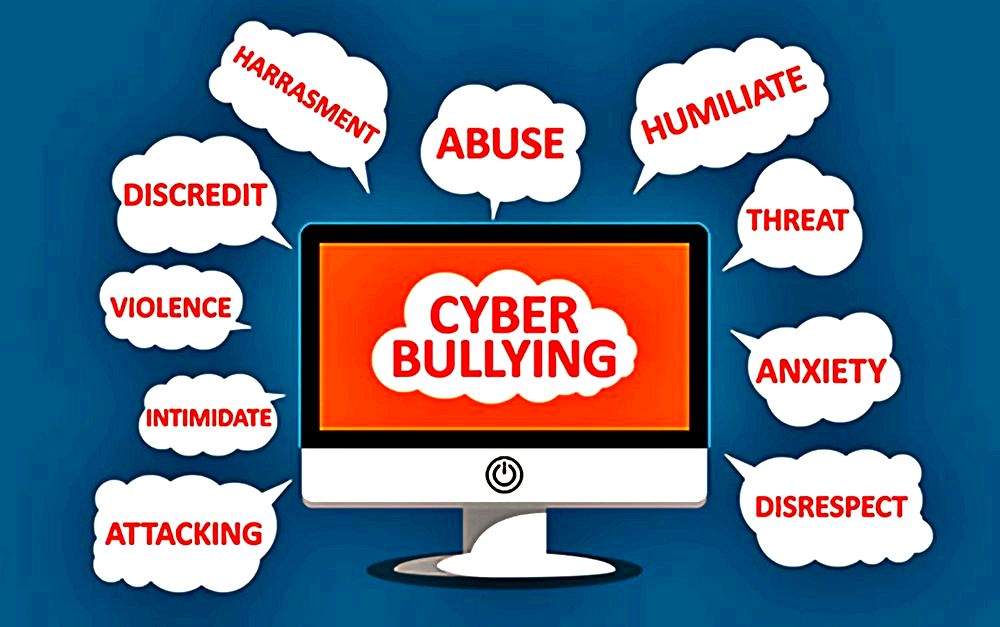
Here are some practical tips:
The real man knows when to embrace his family and when to embrace his phone
Yaakov Cohen – Human Resources Manager
- Do not expose personal information on social networks publicly.
- Do not share confidential information in emails or text messages.
- Use complex passwords and change them when necessary.
- Use antivirus and antispam on your computer and mobile phone.
- Do not pressure children to disclose personal information online.
Ultimately, it is important to remember that protecting privacy and personal information is a serious matter that requires attention and common sense. We must be aware of risks and act accordingly to safeguard our privacy and personal security.
4. Password Management and Private Information
When it comes to digital bullying, it is crucial to keep passwords secure and not expose private information to unfamiliar individuals. To prevent account breaches and access to private information, it is advisable to follow some simple rules:
- Choose a strong password containing capital and lowercase letters, numbers, and special characters.
- Do not use the same password for multiple different accounts.
- Update your passwords regularly and avoid using old passwords.
- If asked to provide personal information, always ensure you are on the correct site and that the connection is secure.
- If asked to provide personal details, make sure they are necessary, and if possible, do not share special personal information.
In conclusion, managing passwords and private information is an important part of maintaining safety in the digital world. By adhering to established rules and using appropriate tools, intrusions and exposure of private information to potential threats can be prevented.
5. Familiarity with Social Media and Preventing Criminals
Social media has become an integral part of our daily lives, but we must be cautious and not expose too much personal information. Criminals may exploit this information to harm us. How can we prevent such harm?
First and foremost, it is important to maintain privacy on social networks and not disclose personal information such as address, phone number, or private photos. This information may fall into the hands of criminals and lead to harm.
Additionally, it is important not to publish intimate photos or privacy on social networks, even if they seem appropriate to us. Privacy and security should be preserved in the virtual world as well.
Moreover, it is important to avoid meeting people from a distance and not accept invitations to strange meetings through social media. Criminals may use social media as a tool to harass and harm you.
In summary, familiarity with social media can be beneficial and enjoyable, but primary importance should be placed on personal security and privacy protection. Be cautious and do not expose too much personal information on social networks.
6. Setting Boundaries and Managing Digital Dating Systems
Digital systems offer us new and fascinating options for social and romantic acquaintances. However, with all these advantages, it is important to be careful and set clear boundaries when participating in digital dating systems. How can we achieve this?
First and foremost, it is important to be honest and open with ourselves and our partners. When starting digital dating, it is important to clarify our expectations and goals. Coordination should occur between the parties and be clear to each of them.
The real man does not refer to statuses on social networks to feel impressive
Rachel Goldstein – Clinical Psychologist
When it comes to setting boundaries, it is important to predefine which actions and things are unacceptable to us. This may include certain communication, types of activities, or options for further acquaintance. It is important to be transparent and not confuse ourselves or our partners.
Additionally, it is important to behave responsibly in digital dating systems. This includes respect and consideration towards our partners, as well as respect and consideration towards ourselves. It is important to remember that we are crossing boundaries and appearing in another person’s private space, so it is crucial to behave in a way that does not compromise their dignity or privacy.
At the end of the day, we have enjoyed all the benefits of digital dating systems, while setting clear boundaries and behaving responsibly. This way, we can enjoy the experience in a more pleasant and safer manner.