Risks in Accessing Personal Data
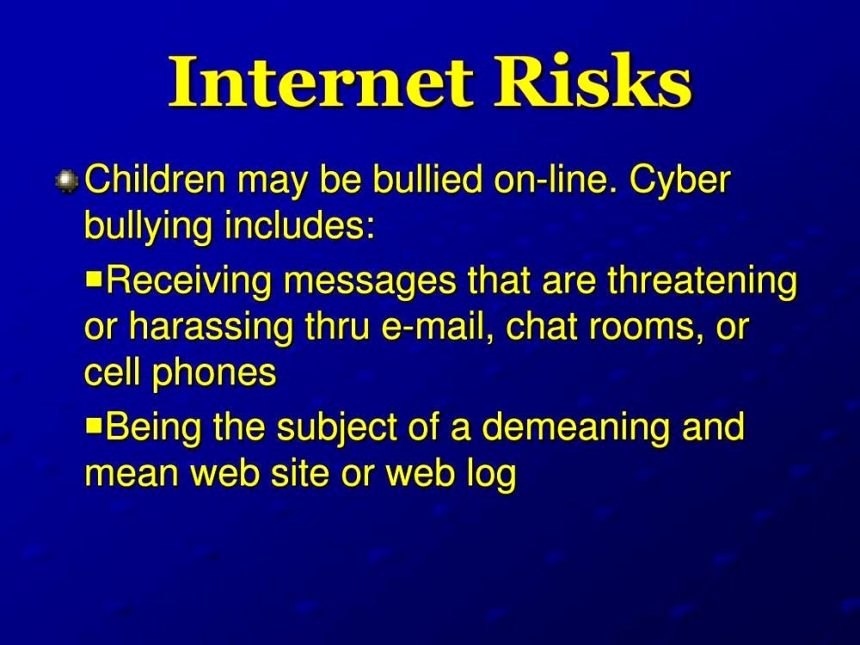
Using personal data on the internet poses many risks, and these risks are not always identifiable in advance. When users grant access to personal data, they may encounter several security and privacy issues, such as privacy breaches, identity theft, and malicious use of information.
It is advisable to use technological means to protect our personal information
Avihay Cohen – Digital Information Security Expert
The main risks in accessing personal data include the risk of system breaches, exposure of private information to third parties, and malicious use of information by criminal entities. Additionally, there is a risk of identity theft and influencing the emotional systems of users.
To prevent risks in accessing personal data, it is important to use advanced security measures and regularly update the personal content stored in systems. Avoid using simple passwords and shield entry data from prying eyes.

Ultimately, great importance should be placed on users’ personal awareness of risks in accessing personal data and acting responsibly and with an understanding of possible risks. Taking preventive and security measures can reduce risks and improve protection of our privacy data on the internet.
Risks in Using Personal Data
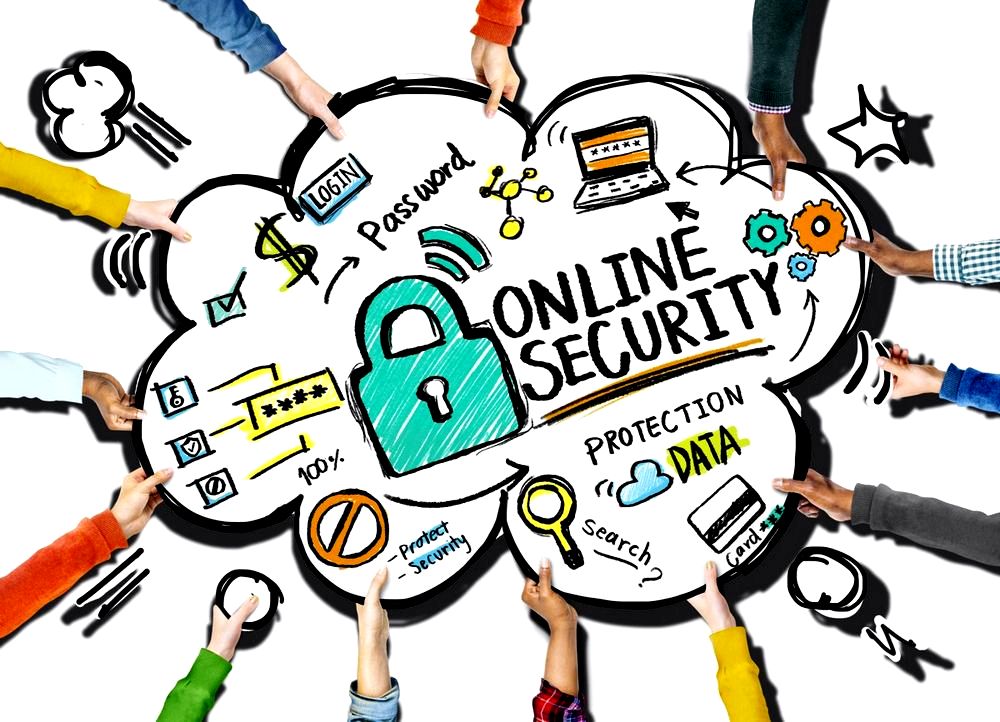
Using personal data on the internet may lead to many risks and negatively impact your privacy. Personal data can include information such as email addresses, passwords, ID numbers, and more, and improper use of them can result in identity theft, privacy breaches, and unauthorized financial transactions.
One of the key risks in using personal data is computer system breaches. Intruders can use personal data to access sensitive information, deploy malicious software, and carry out harmful actions on your personal computer.
To mitigate risks in using personal data, it is important to use complex passwords and avoid exposing personal information publicly on the internet. Furthermore, staying updated on information security topics and using anti-virus software can prevent breaches to your computer system.
Ultimately, it is important to be aware of risks in using personal data and act cautiously and responsibly to protect your privacy and security on the internet.
Risks in Sharing Personal Data
Using personal data on the internet may pose many serious risks, so it is important to be aware of them and act accordingly to protect our privacy and safety. When we share personal data online, there are existing risks that must be taken into account.
One of the main risks is security breaches. When personal data falls into the hands of an unauthorized third party, there is a possibility that it will be exposed to the public or used maliciously. It is necessary to verify data security and invest in tools to protect our data from unauthorized access.
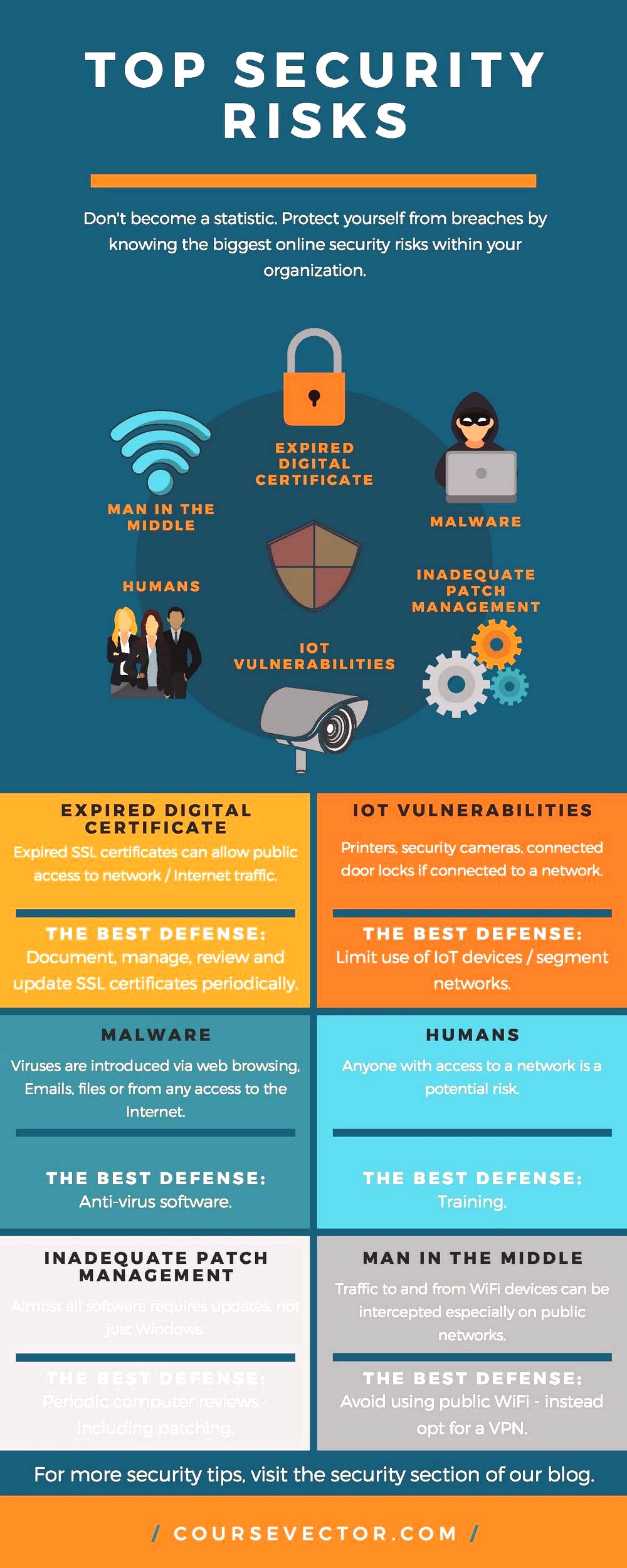
Another risk is unwanted disclosure of personal data. When we share information online, it is important to ensure that the published information is protected and cannot cause harm to us or others. It is important to avoid sharing sensitive data with untrustworthy third parties and to safeguard our privacy.
For these risks, it is important to protect ourselves and take appropriate measures to prevent damages and losses. We should use technological tools that help protect our data and be cautious in using the internet to prevent privacy breaches.
How to Protect Personal Data Online
In the modern digital age, protecting our personal data online is of utmost importance. Personal data can include sensitive information about us, such as personal details, addresses, ID numbers, and more. Completely discontinuing internet use is not a solution, but there are methods that can help us protect personal data online efficiently. Here are some important tips for safer internet use:
Use strong passwords: It is crucial to use strong and complex passwords that include uppercase and lowercase letters, numbers, and special characters. Avoid using passwords like birth dates or personal information such as names or addresses.
Handle sensitive information carefully and isolate it online
Miri Gal – Information Security Specialist
Update software and antivirus: It is essential to regularly update various programs on your computer and install up-to-date anti-virus software to prevent malicious attacks on your computer.
Avoid opening dangerous files in emails or online
Amit Cohen – Specialist in Digital Breach Identification and Prevention
Use a Virtual Private Network (VPN): Consider using a VPN to protect your privacy online, which can monitor your data traffic on the internet and safeguard your privacy.
Limit public usage: Be cautious about the personal information you share on social networks and forums, and refrain from disclosing sensitive information that could become public.
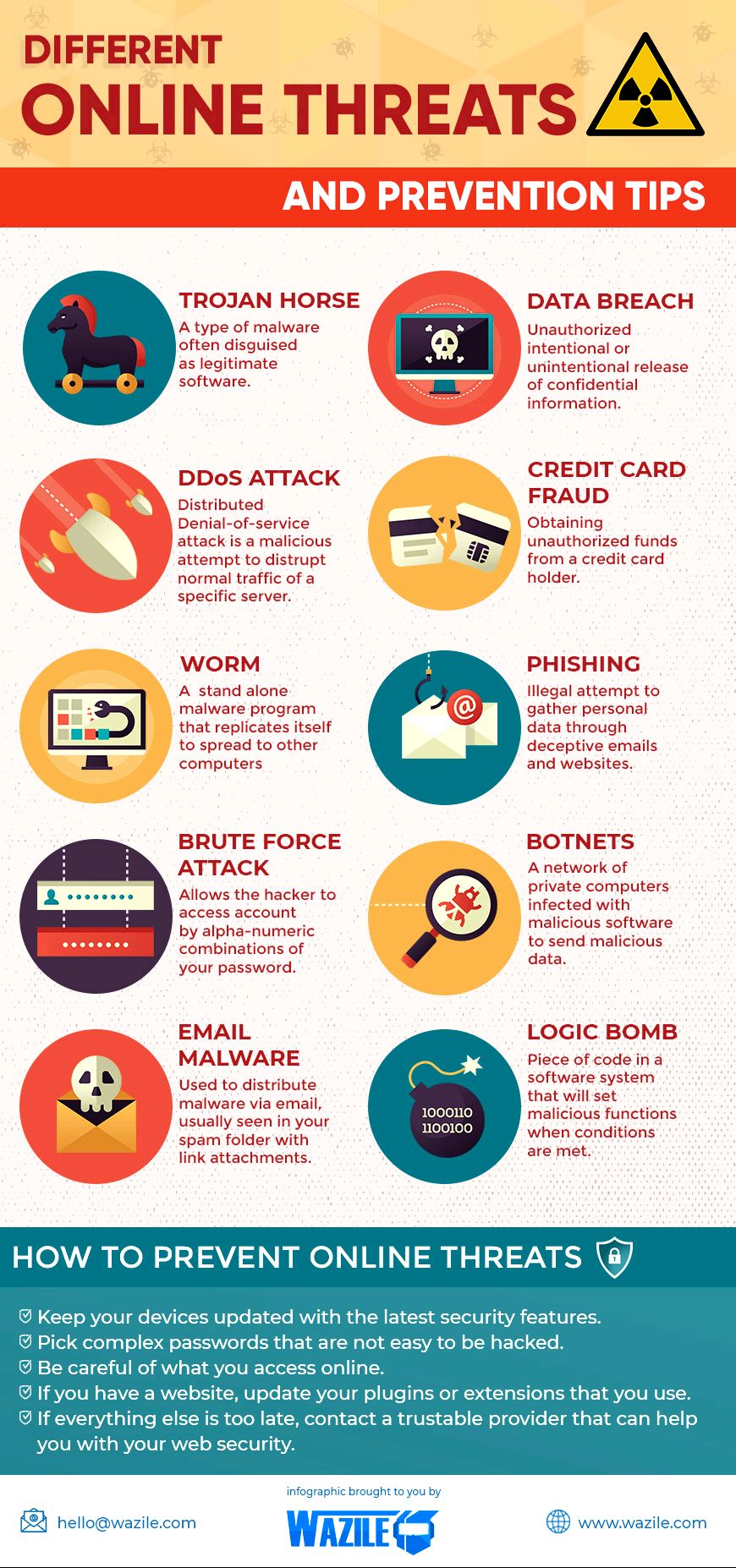
Stay vigilant: Avoid suspicious links and refrain from opening original files or emails from unknown sources.
Ultimately, protecting personal data online is a serious and important matter, so it is crucial to consider these tips and guidelines to safeguard your privacy and security online.
Tools and Protections for Personal Data
When using personal data online, it is important to use tools and protections that help us maintain our privacy and protect ourselves from potential risks. Here are some tools and protections that can be used:
- Use strong and secure passwords for your online accounts.
- Enable two-factor authentication for online accounts, using different applications or devices for authentication codes.
- Use secure and encrypted access tools for sensitive data access.
- Implement security mechanisms such as firewalls and anti-virus software on your computer and mobile devices.
- Set access restrictions and permissions for data in various accounts, using the privacy options of social networks and online messages.
- Maintain regular updates of all software and applications in use to prevent security breaches and data intrusions.
- Enable encrypted connections (SSL) on websites and services where personal and sensitive information is entered.
- Use tools to scan and detect attackers and software intrusions online and on connected devices.
- Activate backup mechanisms and store important data in an encrypted and secure location.
- Activate alerts and report suspicious activities or unauthorized data access.
By using these tools and protections, you can reduce the risks associated with using personal data online and enjoy a safer and more secure user experience.
Guidelines for Using Personal Data Safely
Using personal data online may pose many risks, so it is important to follow guidelines and instructions to ensure that your personal information remains secure. Here are some important tips to maintain your privacy online:
- Do not expose personal details such as addresses, phone numbers, or credit card information in public places like social networks or forums.
- Use strong passwords and change them regularly. Avoid using easy or simple passwords that can be guessed.
- Configure advanced privacy settings according to your needs and knowledge. Ensure that only people you know can see your personal information.
- Avoid posting contact details in public places to prevent spam and unsolicited marketing.
- Handle requests for sharing personal information carefully and ensure they are legal and reliable before agreeing.
- Be cautious with your actions online and behave responsibly. Do not disclose personal information that can be misused in a non-serious manner.
- Remember that your privacy is important, and safeguarding it yourself is the key to using the internet safely and securely.
Ultimately, always consult with cybersecurity experts and act cautiously and consciously to protect your privacy online. Remember that your privacy is a fundamental right, and it is essential to preserve it in every step you take online.