Types of Internet Risks
In the modern era of technology, internet usage has become a vital tool in our daily lives. However, with all the advantages, there are risks that need to be taken into consideration. Here are some types of risks encountered online:
1. Privacy Breach: Privacy is an important point of discussion when it comes to the internet. Common sense and knowledge on how to protect your privacy are required, avoiding unnecessary exposure of personal information to external entities.

2. Identity Theft: Identity theft can be highly damaging and lead to significant harm. Beware of phishing attempts and avoid exposing personal information unnecessarily.
3. Psychological Harm: Online platforms can lead to psychological harm in the form of bullying, trolling, and more. It is important to learn how to handle negative comments and not succumb to emotional pressures.
4. Inappropriate Content: The internet is full of inappropriate content that can harm a wide audience. It is crucial to protect yourself and not succumb to the other party’s attempt to influence your opinions.
In conclusion, being aware of conflicting risks online and acting correctly and securely is crucial to maintaining safety and privacy online.
Protection Options Against Risks
When it comes to internet safety in the context of intimate interactions, it is important to be aware of available protection options to prevent risks. Below are some advice and recommendations for using advanced safety measures online:
Your personal account is like a personal secretary – it’s good to protect it
Nathan Gilad – Information Security Specialist
1. Use Well-Known and Reliable Platforms: It is preferable to use intimate dating sites with a solid reputation, clear terms of use, and professional privacy policy.
2. Identity Verification and Image: Before meeting someone you met online, it’s better to verify their identity and request a protected image to confirm the person’s identity.
3. Meeting in Public Places: If you decide to meet someone you met online, it’s better to meet in a public place and avoid sharing sensitive personal information in initial communication.
4. Use Encrypted Messengers: Use encrypted messengers and avoid exposing sensitive personal information through online messages to unfamiliar individuals.
5. Report Inappropriate Behavior: If you receive messages or encounter inappropriate behavior online, it is better to report it to site administrators and refrain from further contact with the individual.
In summary, efforts to protect ourselves in the digital age are important and can lead to safe and successful online interactions. Be cautious and aware of available protection options, emphasizing safety in every online action you take.
Privacy is the key to online security
Shira Aharonov – Information Security Specialist
Using Complex Passwords
In today’s digital world, using complex passwords is crucial for internet safety. A strong password can protect your privacy and sensitive information, preventing unauthorized access to your account. When it comes to intimate dating sites, it is even more important to focus on choosing complex and secure passwords.
Before starting to use intimate dating sites, it is important to choose a password that contains at least 8 characters, including uppercase and lowercase letters, numbers, and special characters. Avoid using simple passwords like birthdates, names, or common words, which can be easily hacked.
Another important tip is not to expose your password to others or place it in accessible locations. Remember to update passwords regularly and avoid using the same password on multiple different sites. Choose unique passwords for each site and maintain privacy and safety online.
Ultimately, using complex passwords is one of the best ways to protect privacy and safety online. Remember – smart password selection can save you from intrusion and privacy breaches.
Investing in Anti-Virus Software
Investing in quality anti-virus software is a critical and important step when using the internet, especially on intimate dating sites. Anti-virus software helps protect your computer and data from malicious programs attempting to compromise your privacy and cause financial damages.
Choosing quality and leading anti-virus software is very important. A good software will efficiently and quickly identify malicious programs and help you remove them before they cause harm. Additionally, good software will regularly update its database to identify new versions of viruses and malicious software.
In addition to investing in quality anti-virus software, it is also important to be aware of online threats and act cautiously and consciously. Avoid opening files from unknown sources and refrain from clicking on suspicious links or messages from ads requesting personal information.
Carefulness and knowledge can protect us online
Yuval Cohen – Information Security Specialist
In conclusion, investing in quality anti-virus software is an integral part of safe internet usage, especially when it comes to intimate dating sites. Choosing good software and a careful and conscious course of action are essential components to protect your data and maintain your privacy online.
Identifying and Avoiding Phishing Attempts
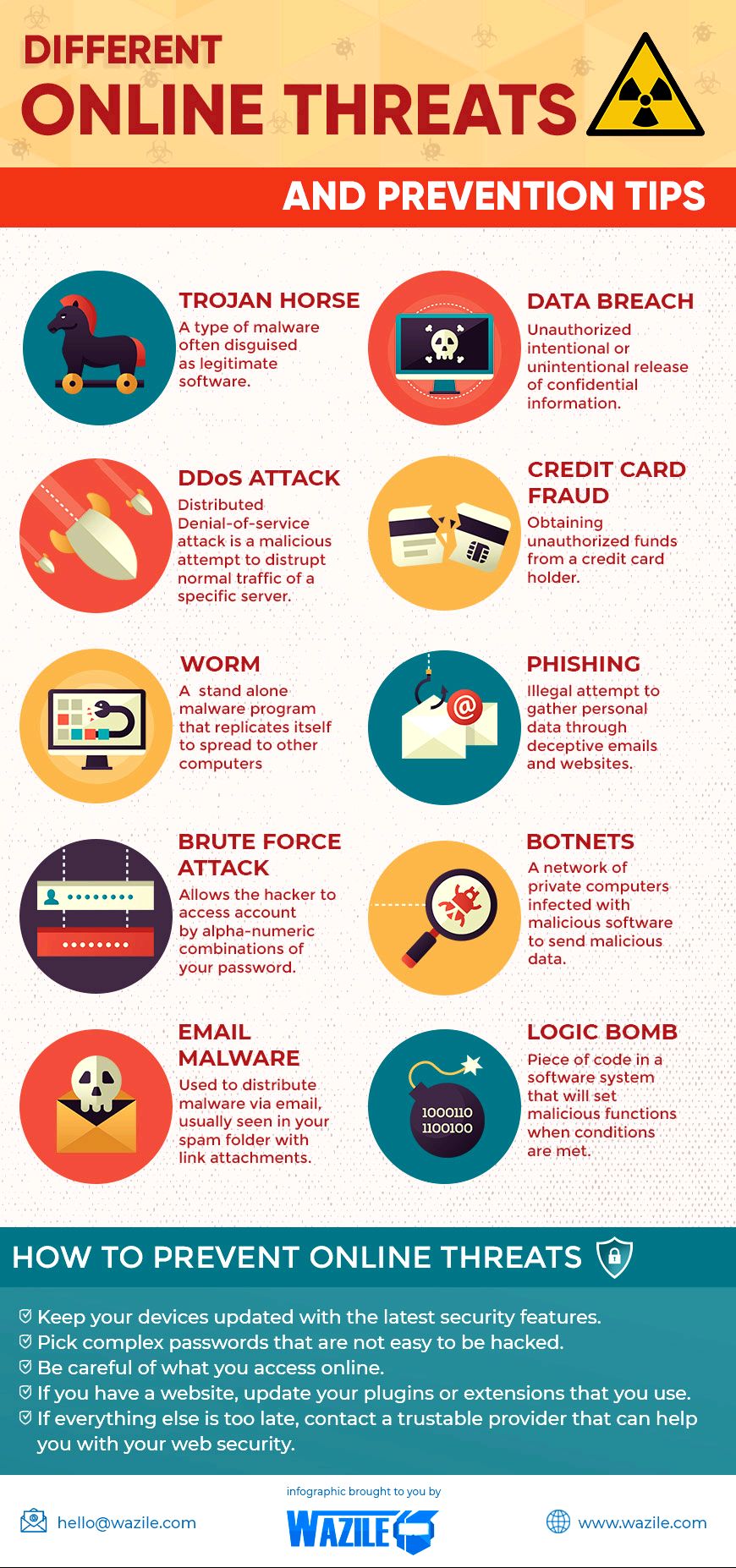
Phishing is one of the most common phenomena online, especially among people seeking intimate interactions online. Phishing is a type of electronic fraud where scammers try to steal personal information by deceiving individuals. If you are looking for advanced safety tools online, read the following tips to identify and avoid phishing attempts:
- Find the exact website address: Always check the site address in your browser to ensure you are on the official site and not on a fake site.
- Beware of unusual messages: If you receive a message or email that seems strange, do not click on links or attachments.
- Use an Anti-Virus: Install quality anti-virus software and update it regularly to protect your computer from malicious programs.
- Don’t hesitate to ask questions: If you have concerns about a site or message you received, ask questions and seek help from someone who can assist.
- Proper Disclosure: If you identify a phishing attempt, be cautious about sharing personal details and report the incident to the appropriate authorities.
By following these tips and investing time and effort in learning about phishing techniques, you can protect yourself and use the internet safely and securely.