How to Use Passwords Securely
Passwords are the first line of defense against cyberbullying, and it is important to use them securely to prevent unauthorized access to your account. To keep your password secure, try to follow the following rules:
- Use a long and strong password of at least 8 characters.
- Avoid using easy passwords like personal names or pet names.
- Use different passwords for each of your accounts to prevent access to other accounts.
- Always update your password every few months.
Additionally, it is advisable to use additional security options such as two-factor authentication or security questions for your password. This will enhance your security and make it harder for criminals to access your account. Remember, strong passwords are the key to securing your information online, and you should keep them safe and responsible.
How to Identify and Filter Fake Profiles
In the online world, there are fake profiles created to deceive and harm people. To prevent cyberbullying, it is important to know how to identify fake profiles and filter them. Here are some important principles:
- Check the picture – Check if the profile picture looks genuine and if there are signs of a fake image, such as a too clear or unrealistic picture.
- Check personal information – Check if the personal information in the profile looks genuine and if there are signs of fake information, such as extreme or unreasonable details.
- Check activity – Check if the profile posts content and comments that seem self-promotional or fake, and if there are signs of fake activity.
- Pay attention to technical details – Check for technical signs of a fake profile, such as a low-resolution image or a new account with no prior activity.
Finally, it is important to be cautious and not easily accept new people on social networks without verifying the validity of the profile. With these principles, you can protect yourself from cyberbullying and avoid fake encounters.
Pay attention to sudden changes in people’s behavior online.
Avishay Cohen – Internet Safety Expert
How to Use Additional Identity Verification Mechanisms
When it comes to online security, it is important to act wisely and use additional identity verification mechanisms to prevent cyberbullying. When using dating sites, it is advisable to be cautious and use tools that will help you verify the identity of the people you are interacting with.
One of the common identity verification mechanisms is two-factor authentication. In the first stage, you can perform online verification by sending an authentication code to your phone number or email address. In the second stage, you can use physical verification by meeting the person you are connecting with face to face.
Protect your privacy and avoid exposing important information unnecessarily.
Noa Cohen – Digital Safety Specialist
Additional mechanisms include using technological tools such as secure connections and encryption applications. Additionally, it is always advisable to verify a person’s identity through external sources such as criminal records or driver’s licenses.
Ultimately, it is important to remember that while using the internet, you must always maintain authenticity and personal security. If you have concerns about the identity of the person you are communicating with, it is wise to avoid physical meetings until you can verify their identity conclusively.
How to Keep Private Information Secure
Protecting private information is crucial in the modern age where cyberbullying is constantly present. To protect yourself from privacy breaches and data theft, there are several simple ways you can use:
- Basic use of passwords: Always use a strong and unique password for each of your accounts. Avoid using easily guessable passwords like birthdates or common numbers.
- Regular content updates: It is important to regularly update your passwords to prevent access to your accounts.
- Use security tools: Use tools such as anti-viruses and data security tools to prevent breaches and data theft.
- Privacy settings: Do not share private information publicly on the internet, and avoid using photos or personal information publicly.
- Access control: Ensure that no one else uses your devices without your permission and set up plans for access to sensitive information only for authorized personnel.
Following these tips and using appropriate tools, you can keep your private information secure and prevent unnecessary cyberbullying.
How to Protect Yourself from Digital Scams
Digital scams can cause serious damage to your privacy and security. To prevent cyberbullying, it is important to be aware of the risks and take appropriate preventive steps. Here are some important tips for protecting yourself in the digital world:
1. Protect personal data: Do not publish personal details such as address, phone number, or personal information on social networks or public forums.
2. Filter carefully: Ensure that the privacy settings on your social networks are set so that only people you know can see your posts and pictures.
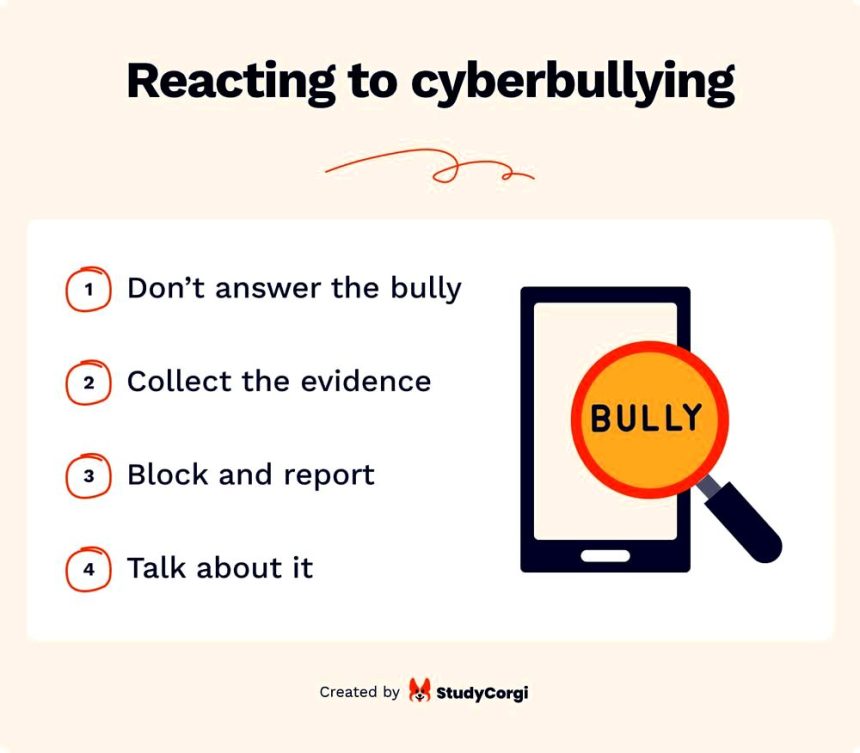
3. Block unwanted content: If you receive offensive or intentionally harmful messages, block or report the sender.
4. Identify scams: Be cautious and do not respond to certain messages that seem suspicious or dangerous.
5. Update content: Ensure that the content you post on social networks or other websites does not contain personal information that can be misused by scammers.
Invest time in verifying information and do not rely solely on intuition.
Amit Cohen – Internet Safety Expert

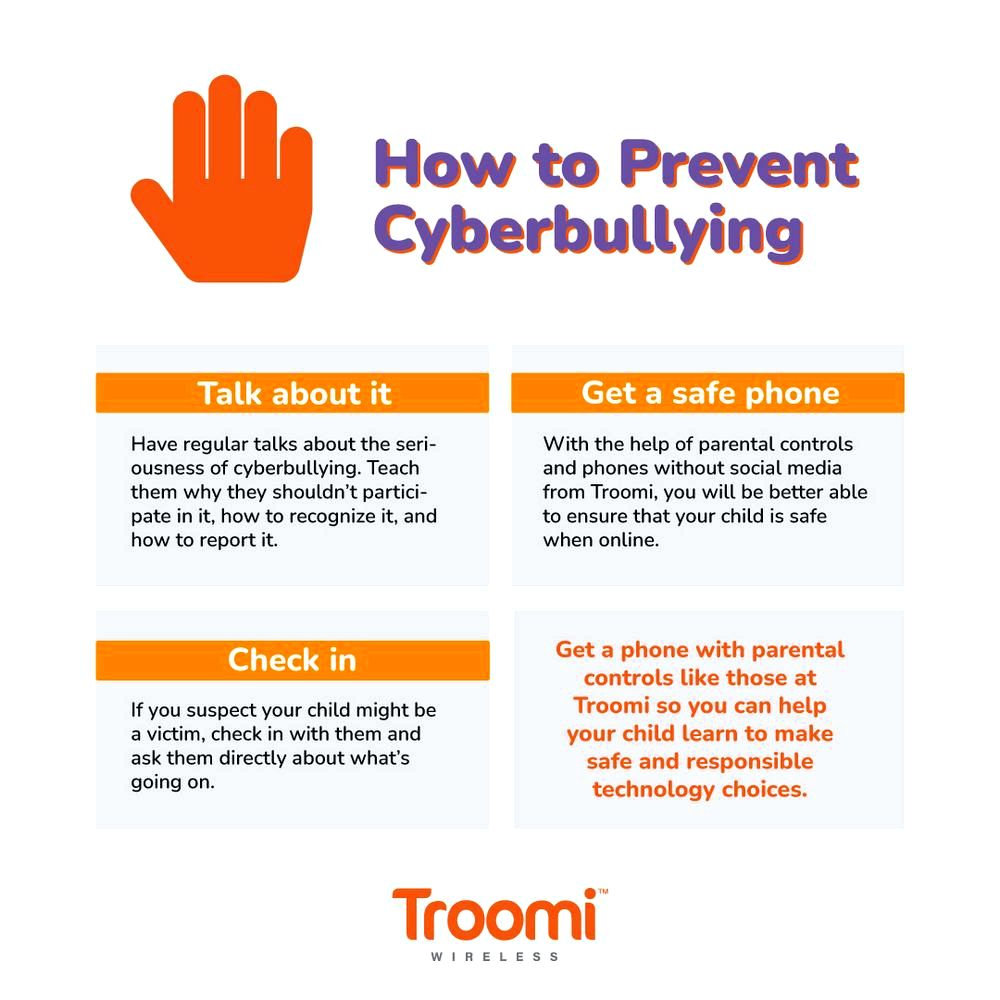
Through these principles and caution, you can prevent cyberbullying and protect your privacy and security online.