1. Identifying Risks for Sexual Violence
Although sexual violence is a serious issue, it can be prevented by identifying risks and taking early action. Recognizing the various risks is an important first step in preventing sexual violence. To help you identify these risks, you can consult with a specialist or read articles on the subject.

The risks for sexual violence include the individual’s personal situation, the environment they are in, and their ability to cope with difficult situations. Additionally, attention should be paid to signs of inappropriate behaviors or concerns from another individual.
There is no place for violence in personal relationships
Orit Goldshtein – Specialist in treating victims of violence
One of the main risks for sexual violence is unhealthy or abusive relationships, where behaviors such as hints, extreme criticism, or excessive control can be observed. Additionally, exposure to situations involving alcohol or drugs may increase the risk of sexual violence.
Another important risk is the lack of understanding or supposed “approval” of sexual violence by the victim. When the victim does not understand that the partner’s behavior is not appropriate, they may focus on actions and ignore warning signs.
Geographical importance also plays a role in risks for sexual violence, as people living in less safe and less regulated areas are at a higher risk of sexual violence.
In order to prevent sexual violence, it is important to be aware of the various risks and take early action to prevent them. This can reduce the risk and create a safer and healthier environment for the general population.
Establishing Boundaries in Relationships with New People
New acquaintances may want to develop a romantic relationship with a new friend or potential partner through actions or words from one side, but it is important to understand that clear boundaries can prevent situations of sexual violence or harm.
Here are some ways to establish boundaries in relationships with new people:
- Clearly state to new people what your boundaries are and what things make you uncomfortable when they are not respected.
- Do not hesitate to withdraw your hand when someone tries to get too close or pressures you to do something you are not interested in.
- Always clearly indicate when something causes you pain or discomfort and demand that they stop the dangerous or unwanted action.
- If you felt that someone’s approach or actions were unpleasant, do not hesitate to seek cooperation with friends or adults on the matter.
- Feel free to ask questions or ask someone to clarify their boundaries when you feel uncomfortable with a specific situation.
By creating clear boundaries and enforcing them consistently and decisively, you can protect yourself and prevent situations of sexual violence in new relationships.
Dealing with Pressure and Sexual Harassment
1. Do not be ashamed – it is important to remember that there is no need to be ashamed and ignore sexual harassment. When delving into the subject and sharing with others what is happening, there is a greater chance that the situation will improve.
The partnership must be basic and healthy
Ruth Cohen – Psychologist and relationship coach
2. Maintain healthy relationships – it is important to invest in knowledge and social integration skills to create a strong environmental support. This will help deal with pressure and sexual harassment more effectively.
3. Talk to a specialist – in cases of pressure and sexual harassment, it is important to consult a professional such as a lawyer or a counselor. They can offer tools and techniques to deal with the situation effectively and significantly.
4. How to Protect Yourself in Suspicious or Dangerous Situations
1. Always distance yourself from suspicious or dangerous situations. If someone makes you feel uncomfortable or afraid, do not hesitate to help yourself and get out of the situation.
2. Stay alert and take care of yourself. Do not allow anyone to approach you if you do not feel comfortable.
3. Always try to be in touch with someone you know in cases of concern or danger.
4. Do not forget to use the safety functions of dating applications such as location display and sharing details with friends.
5. Always stay away from situations where there is danger and do not agree to go to specific places if you are not sure about the person you are meeting.
5. The Importance of Marketing with Open Faces and Mutual Approval in Sexual Relationships
When it comes to safety in intimate relationships, it is important to emphasize the importance of marketing with open faces and mutual approval in sexual relationships. This is a basic principle that needs to be recognized and implemented in order to prevent sexual violence and create a safe and pleasant environment for all parties.
In sexual relationships, it is important to understand that every person needs to feel comfortable and safe. Every sexual action should be done with mutual consent, and one should not force another person to do something they do not want to do. By doing so, both parties commit to respecting each other’s boundaries and acting in a respectful and courteous manner.
The stop is just up to us to take care of it
Michal Cohen – Psychological counselor
Marketing with open faces is a principle that connects both parties. It contributes to creating a good and healthy relationship between the parties, and gives each of them a feeling of being heard and understood. This is an important mechanism for preventing abuse and sexual violence in sexual relationships.
In conclusion, it is important to understand that the importance of marketing with open faces and mutual approval in sexual relationships is a fundamental and vital component in creating a safe and pleasant environment in the field of security in intimate relationships.
Support and Empathy as Tools for Preventing Sexual Violence
One of the best ways to prevent sexual violence is to provide support and empathy to people at risk. Support and empathy can have a positive impact on victims and help them feel supported and loved.
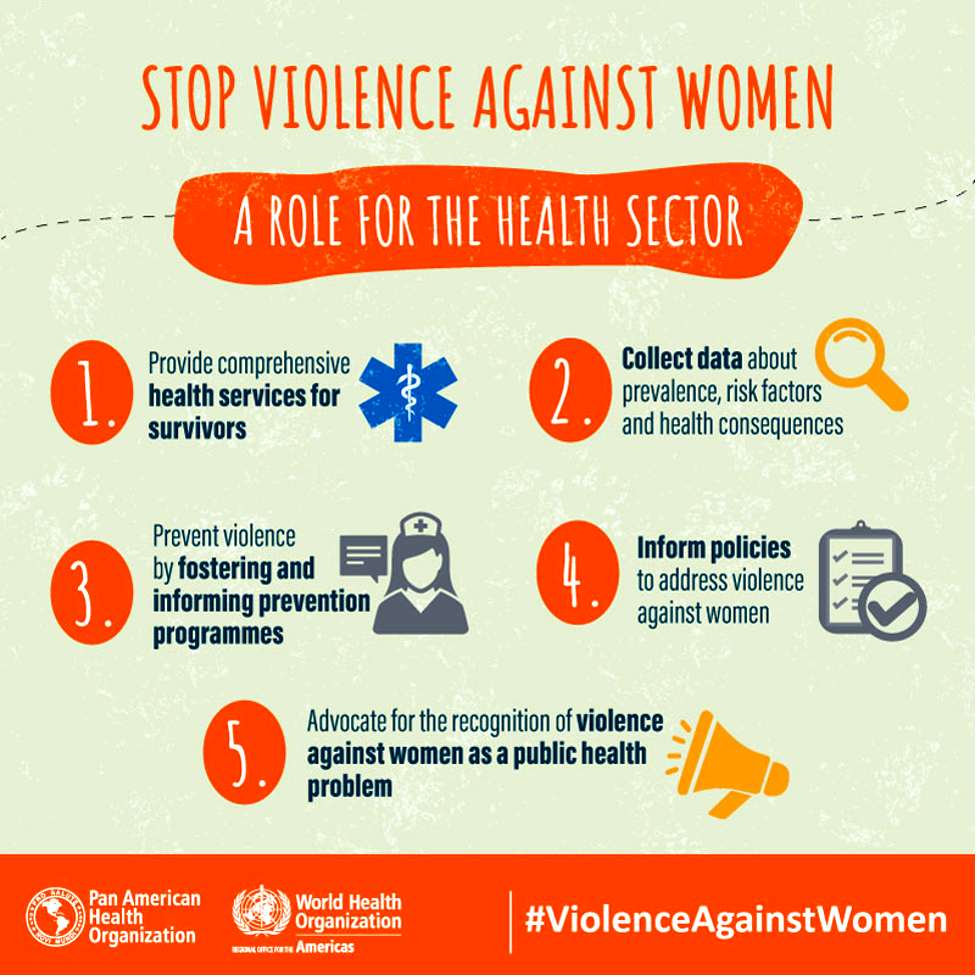
Providing comprehensive support includes listening respectfully to the stories of victims, offering physical and emotional help, and being with them at every stage of the process. It is important to remind them that they are not alone and that there is support available to them.
Empathy is the ability to understand and feel the emotions of others. When we show empathy, we encourage people to open up and share their feelings, which can lead them to find positive ways to cope with the situation.

By creating an environment of support and empathy, we can help each and every one of us feel safe and protected. Together, we can create a good and safe society for everyone.