Signs to Check on the Tires
1. Check the tire pressure to ensure that all tires have the correct pressure according to the manufacturer’s guidelines. Proper pressure is important for riding safety and improving vehicle performance.
2. Check the tire tread depth. Treads on tires are important for traction and preventing skidding when riding on wet roads. A thorough check will reveal if the tires need to be replaced.

There’s nothing like a good tire check in times of trouble.
Avi Cohen – Experienced Rider
3. Check the tire condition regarding excess heating. Overheated tires can pose a danger of falling during fast rides. Use a heat gauge to ensure they are at the correct temperature.
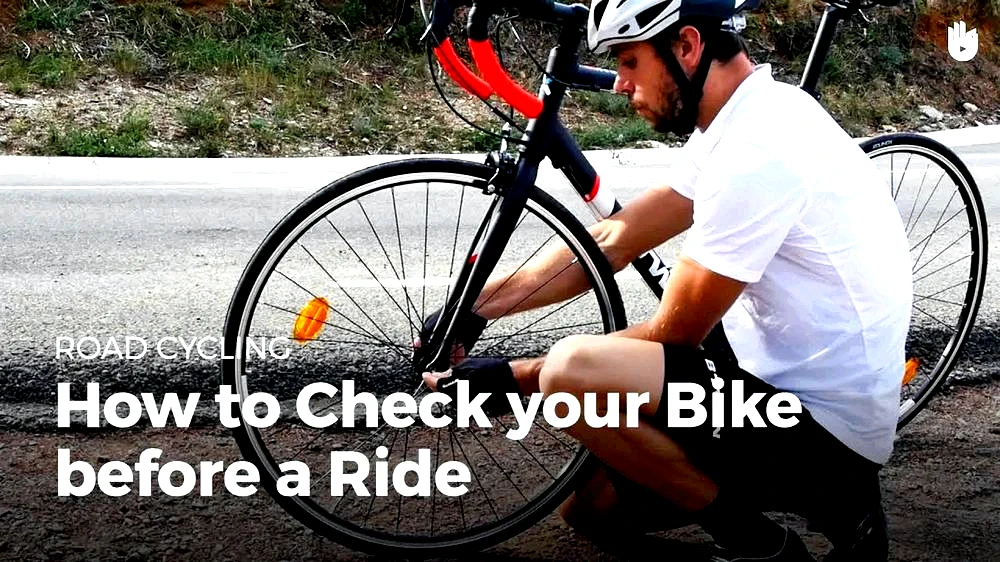
4. Check the tire set for wear and the need for replacement. Old and faulty tires can lead to accidents. Ensure the tires are still at a suitable level for vehicle safety.
5. Check the tires for cuts or irregular treads. Cuts and irregular treads on tires can cause damage and jeopardize driving safety. Ensure your tires are in good and intact condition.
What to Do If There Is a Chain Malfunction
If you encounter a chain malfunction on your bike before riding, it’s important to handle it correctly to ensure your safety and the safety of your ride. Here are some steps that can help you effectively deal with a chain malfunction:
1. Check the chain before riding – make sure it is not detached or damaged. If you find a malfunction, do not try to fix it yourself but seek professional help for repair.
2. Use the right tools – when attempting to fix the chain, make sure you use tools suitable for its repair. Do not try to alter or fix using inappropriate tools.
3. Secure the chain firmly – after fixing the malfunction, secure the chain properly and ensure it is ready for future use.
After the process, don’t forget to recheck the chain to ensure everything is in order before you start riding. Remember, checking your bike before riding is essential for your safety and riding experience.
How to Ensure the Tires Suit the Riding Terrain
Read tire markings and ensure they match the riding terrain you plan to ride on. Check for any renewals or damages on the tires. Ensure the air pressure button matches the rider’s weight and riding conditions. Verify that the tires are well-molded and not old or torn.
Check the tire treads to ensure there are no excesses or damages. Ensure they are installed correctly and not worn out. Check the air level and ensure it is within the appropriate range for riding needs. Verify there are no excesses in the tires.
Caring for your bike is caring for yourself.
Maya Gal – Professional Rider
Check for cuts and cracks on the tires. Ensure there are no deep cuts or large cracks that endanger riding safety. Verify that the tires can withstand the pressure and temperature suitable for your riding terrain.
Inspect the patterns and markings on the tires. Ensure they are in good condition and not worn or damaged. Confirm they comply with safety standards and do not violate them. Also, check the last date the tires were checked and installed.
How to Check and Adjust Tire Pressures
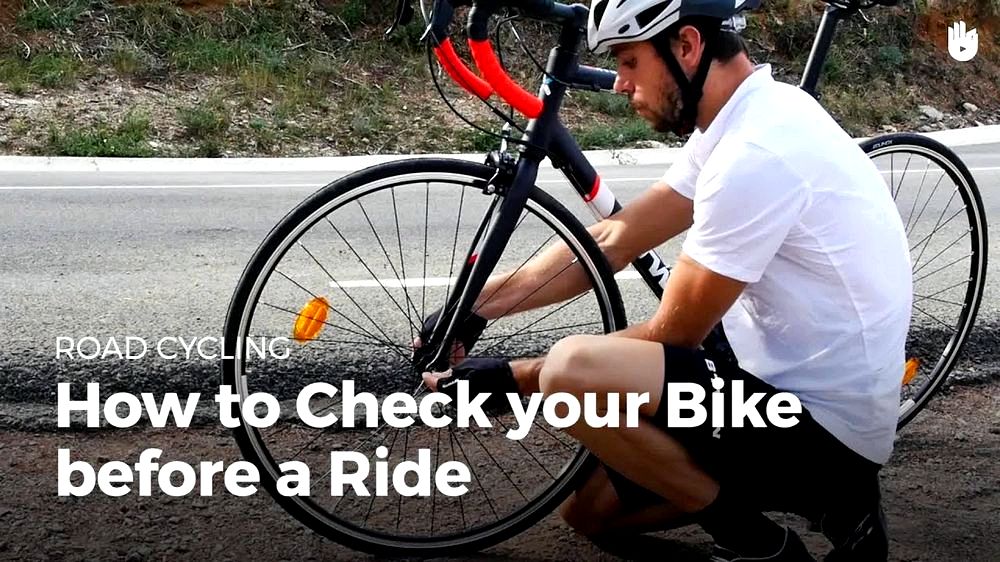
Checking tire pressures is crucial before riding. Tire pressures directly impact bike performance and rider safety. To ensure your tires are ready for riding, you need to perform a meticulous check and adjust them accordingly.
Before every ride, check your tires.
Shahar Cohen – Safety Expert
The first step in checking tire pressure is to ensure you are using a proper tire pressure gauge. This process is simple and very important. First, attach the gauge to the tire valve and compare the displayed pressure to what is stated in your bike manual.
After checking the pressure, you need to ensure the tires are balanced. Not only is pressure important, but also the balance between the tires. Make sure the tires on the front and rear axles are balanced for efficient and safe riding.
Once you have completed the necessary checks and adjustments, you are ready to create a safe and enjoyable ride. Always remember, checking tire pressure and balance is essential for your safety and the safety of others on the road.